
Building a Support Network – You Don’t Walk Alone

As we come to the conclusion of our series, Strong & Broken: Men’s Mental Health at the Foot of the Cross, we have covered some difficult but necessary ground. We began by confronting the conspiracy of silence that often surrounds men and mental health. We learned to recognize some of the hidden ways depression and emotional distress can manifest in men, particularly when pain is expressed through anger, isolation, irritability, overwork, substance use, or simply shutting down. We then considered the courage it takes to ask for help.
Now we come to an equally important truth: asking for help is only part of the journey. We also need people with whom we can walk.
You do not have to walk this road alone.
God Did Not Design Us for Isolation
First Peter 5:7 tells us to “cast all your anxiety on him, because he cares for you.” There is tremendous comfort in that promise. God does not simply instruct us to bring our burdens to Him because He is obligated to listen. He invites us to do so because He genuinely cares about what is happening within us.
At the same time, Scripture consistently shows us that God often works through relationships and community. His care for us does not eliminate our need for other people. In many cases, other people become part of the way God provides encouragement, correction, accountability, practical assistance, and companionship.
Ecclesiastes 4:9–10 reminds us that “two are better than one” and asks, “For if they fall, one will lift up the other; but woe to one who is alone and falls and does not have another to help.”
That is more than a statement about friendship. It reflects something fundamental about how we were created. We are relational beings. We need God, but we also need healthy relationships with other people.

This can be particularly important for men because many men have learned to operate independently. We may become very good at solving problems, providing for others, or showing up when someone else needs us while simultaneously becoming uncomfortable when we are the ones who need support. We can spend years being dependable for everyone else while never allowing anyone to know when we are struggling.
Eventually, isolation takes its toll.
The answer is not to surround yourself with hundreds of people. In fact, a large social circle does not necessarily provide meaningful support. What many of us need are a few safe and trustworthy relationships where honesty is possible.
Build Your Support Network Before You Need It
A healthy support network does not usually appear in the middle of a crisis. It is something we intentionally build before the crisis comes.
Consider identifying one or two people you trust enough to have honest conversations with on a regular basis. These should be people who can listen without immediately judging or trying to fix you, but who are also willing to tell you the truth when you need to hear it.
That combination matters.
We need people who will encourage us, but we also need people who will challenge us. We need relationships where we can say, “I’m not doing well,” without worrying that our honesty will immediately become gossip or be used against us later. At the same time, we need people who care enough to ask difficult questions when they recognize that we are withdrawing, becoming angry, neglecting ourselves, or returning to unhealthy patterns.
For men of faith, this kind of community can be particularly valuable within the church. The church should be one of the places where people can bring their struggles into the light without fear of condemnation. Unfortunately, that is not always the experience people have had. Some men remain silent because they are afraid that admitting depression, anxiety, addiction, marital problems, or emotional pain will change the way others see them.
We have to do better.
A healthy Christian community should not require people to pretend that they have no struggles. Grace does not mean pretending that problems do not exist. Grace creates a place where we can tell the truth about our lives and begin doing the work of healing.
Joining a men’s group, support group, recovery community, church small group, or other healthy peer network can be an important part of that process. Community is not a sign that you are incapable of standing on your own. It is one of the ways we become stronger, wiser, and more resilient.
Caring for the Whole Person
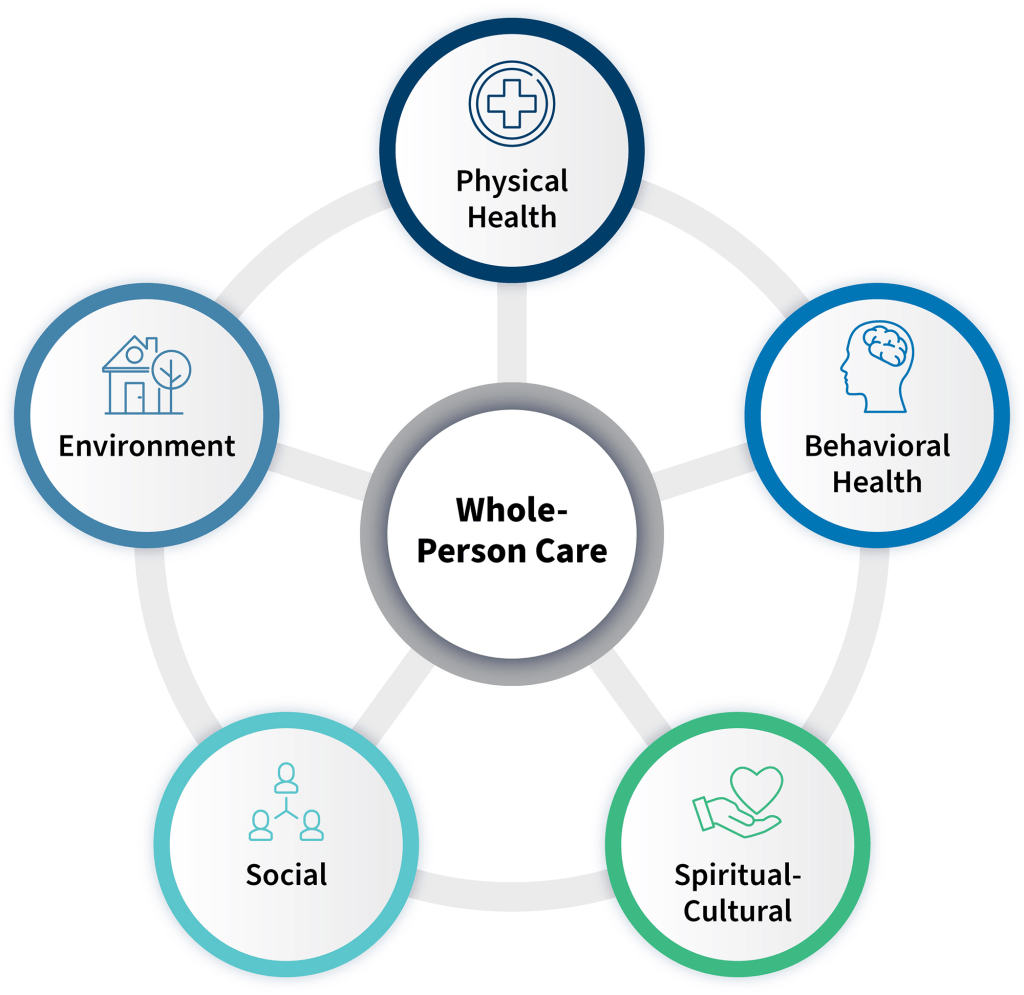
Building a support network is not the only part of maintaining mental and emotional health. We also need to pay attention to the ways we care for our minds and bodies.
Our spiritual lives cannot be separated completely from our physical and emotional well-being. We are whole people, and the condition of our bodies can affect our emotions, our thinking, our relationships, and even the way we experience spiritual disciplines.
One practical way to begin is through regular self-check-ins. Take a few minutes each week to consider where you are emotionally and physically. How would you rate your current stress level? How have you been sleeping? How has your mood been? Are you becoming more irritable or withdrawn? Are you neglecting things that normally help you stay healthy? Paying attention to these patterns can help you recognize when pressure is beginning to build rather than waiting until you reach a breaking point.
Physical activity is another important part of caring for yourself. You do not have to become an athlete or spend hours in a gym. Even modest, consistent exercise can support physical and mental well-being. A walk, a workout, time outdoors, or another form of movement can become part of a healthy routine.
Learning simple techniques for regulating your breathing can also be useful when stress or anxiety begins to rise. Slow, intentional breathing can help create a moment of pause when your body is moving into a heightened state of stress. Taking a few slow breaths, with a longer and controlled exhale, can become a simple way to interrupt the cycle of escalating tension and regain your sense of calm.
There is also something restorative about stepping away from the constant noise of life. Time outdoors, quiet reflection, prayer, Scripture, worship, and moments of intentional stillness can help us slow down enough to recognize what is happening within us.
These practices should not be viewed as substitutes for professional mental health care when professional care is needed. Rather, they are ways of practicing good stewardship of the whole person God has created. Caring for your mind and body is not separate from your spiritual life. It is part of learning to live faithfully within the life God has given you.
The Patterns We Pass On
One of the reasons this conversation matters so much is that our struggles do not always stop with us.
Fathers, husbands, mentors, coaches, pastors, and other men influence the people around them, often in ways they do not realize. We do not simply pass down our genetics. We pass down patterns.
The way a man handles anger can become a pattern his children learn.

The way he responds to stress can become a pattern his family adapts to.
The way he deals with conflict, vulnerability, failure, and emotional pain can teach the next generation what they believe it means to be strong.
That does not mean that every struggle we have will damage our families. It means that our willingness to address those struggles can become part of the legacy we leave.
A man who learns to build healthy relationships, speak honestly about his struggles, receive correction, and seek help when necessary can become a different kind of presence in his home. He does not have to become perfect. Perfection is not the goal.
The goal is to become present, teachable, emotionally available, and willing to continue growing.
Our families do not need men who never struggle. They need men who are willing to deal honestly with their struggles.
Build the Bridge Before the Storm

One of the most practical things you can do is establish an accountability relationship before you desperately need one.
Choose someone you trust and establish a regular rhythm of connection. It might be a weekly phone call, a conversation over coffee, a walk, or another consistent point of contact. The format matters less than the consistency.
Talk about how you are actually doing, not just what you have been accomplishing.
Talk about your stress.
Talk about your relationships.
Talk about your spiritual life.
Talk about the things you are tempted to hide.
And give that person permission to ask questions and speak honestly when they see something you may not be seeing yourself.
Do not wait until you are in the middle of a crisis to build the bridge. Build it while things are relatively stable so that the relationship is already established when the storm comes.
This is one of the most important lessons we can take from this series. Mental and emotional health is not simply about what we do when we are in crisis. It is also about what we build into our lives before the crisis arrives.
Consistency creates stability. Healthy relationships create places of refuge. And asking for help becomes much easier when we already have people in our lives who know us well enough to recognize when something has changed.
You Don’t Walk Alone
As we close this series, I want to return to where we began.

Being strong and being broken are not always opposites.
Sometimes strength is found in admitting that we are hurting. Sometimes courage looks like making a counseling appointment. Sometimes faith means telling someone we trust that we are struggling. And sometimes healing begins when we stop trying to carry everything by ourselves.
God is not asking you to pretend that you are okay when you are not.
He is inviting you into truth, relationship, healing, and wholeness.
You need God.
You also need people.
That is not a contradiction. It is part of God’s design.
So build your support network now. Find people who can walk with you, pray with you, encourage you, challenge you, and tell you the truth. Become that kind of person for someone else as well.
The goal is not to create a life where storms never come. The goal is to make sure that when the storms come, you are not standing in them alone.
You do not have to walk this road alone.
A Prayer for Community and Strength
Father, thank You that You care about every part of our lives, including the burdens we carry in our minds and hearts. Thank You that You have not designed us to live in isolation, but have given us relationships, community, and people who can walk alongside us.
Help us recognize the people You have placed in our lives and give us the wisdom to build healthy, trustworthy relationships. Give us courage to be honest about our struggles and humility to receive encouragement, correction, and help when we need it.
Heal the places where shame and fear have caused us to isolate ourselves. Help the church become a place where men can be honest about their struggles without fear of condemnation and where grace and truth can exist together.
Teach us to care for our minds, our bodies, our relationships, and our spiritual lives. Help us build healthy patterns now that will strengthen us when difficult seasons come.
And for every man who feels isolated, overwhelmed, or forgotten, remind him that he is not alone. Surround him with people who will walk with him, and draw him continually into the presence of Christ.
May we become men who are willing to be honest, willing to heal, willing to grow, and willing to walk alongside one another.
In the mighty name of Jesus Christ, amen.
The Journey Continues
The end of this series does not mean the end of the conversation.

Mental health is not a topic we address once and then move on from. It is part of caring for the whole person. If something in these posts has resonated with you, do not ignore it. Talk with someone you trust. Reach out to a pastor or mentor. Consider professional counseling if you need additional support.
And if you are the person who notices that someone else may be struggling, do not assume that someone else will reach out first. Sometimes simply asking, “How are you really doing?” can open a door that a person has been afraid to open for a long time.
We are strong, but we are also human.
We may be broken in places, but we are not beyond healing.
And we do not have to walk this road alone.
Need someone to walk with you? I am a Licensed Professional Counselor, Life and leadership coach, and a minister. check out scottcatchot.com

