Blog

What is Inspired?

The Bible is often the subject of much debate. One of the key topics surrounds the idea that the Bible is more than just a book, but is the Word of God. The Bible is spoken of as “inspired”, but  what does this mean?

If we go to a dictionary, we will find:

in·spireddictionary
inˈspī(ə)rd/
adjective
  1. 1.
    of extraordinary quality, as if arising from some external creative impulse.
    “they had to thank the goalie for some inspired saves”
    2. (of air or another substance) that is breathed in.

When people speak of the Bible as being inspired, they are referring to the fact that the Human authors of the Bible were influenced divinely and the words they wrote were literally the words of God.  This does not mean that God took over the authors and wrote through them like an automaton, but that His will flowed through them, using their personality and writing style to convey His words in scripture.

2_timothy_3_162 Timothy 3:16 states, “All scripture is inspired by God, and is profitable for teaching, for rebuking, for correcting, for training in righteousness.”[1] The word translated as inspiration, is qeopneustoj (pronounced theh-op’nyoo-stos)[2] is sometimes translated God-breathed. It literally translates as breathed out by God.

In other words, scripture is the result of  the Holy Spirit working through men.

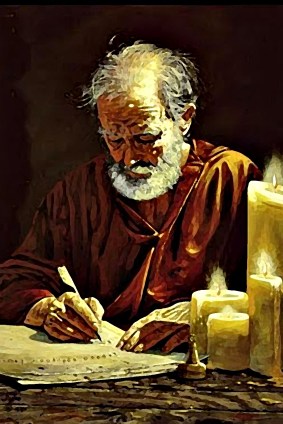
In the  afore mentioned scripture, Paul clarifies to what extent it is inspired by God, all apostle-paulscripture. This idea is reinforced by Peter in his letter to the churches in Asia. 2 Peter 1:20-21, Peter writes, “First of all you should know this: no prophecy of scripture comes from one’s own interpretation, because no prophecy ever came by the will of man; instead men spoke from God as they were moved by the Holy Spirit.”[3]

Paul is telling his readers that the prophecy of scripture is not just what man thinks God is saying due to his own interpretation, but is actually God speaking through men, using their gifts and words , guided by the His Spirit. So Peter and Paul both believed scripture was straight from God, not man, therefore emphasizing the importance and infallibility of scripture.

Jesus Himself expressed this idea regarding scripture in Matthew 5:17-18, “Don’t assume that I came to destroy the Law or the Prophets. I did not come to destroy but to fulfill.  For I assure you: Until heaven and earth pass away, not the smallest letter or one stroke of a letter will pass from the law until all things are accomplished.”[4] In this scripture, Jesus is attesting to the infallibility of scripture and stating that not one aspect of scripture will fade away until it has all been fulfilled.

god-breathed1Jay Adams sums up what is meant by “inspired” or “God-Breathed”  when he writes, ” When  God says that He breathed out His Word, He means that what is written is as much His Word as if He had spoken it audibly by means of breath.”[5]


Try to find any other collection of 66 books, written by over 40 different authors, spanning a period of over 1500 years and see if they fit together to tell one complete story, weaving together without true contradiction or loss of theme.

keep-calm-and-cite-your-sources-17

[1] Bible Gateway passage: 2 Timothy 3:16 – Holman Christian Standard Bible. (n.d.). Retrieved October 10, 2016, from https://www.biblegateway.com/passage/?search=2 timothy 3:16

[2] KJV w/ Strong’s Concordance – 2 Timothy 3. (n.d.). Retrieved October 10, 2016, from http://www.godrules.net/library/kjvstrongs/kjvstrongs2tim3.htm

[3] Bible Gateway passage: 2 Peter 1:20-21 – Holman Christian Standard Bible. (n.d.). Retrieved October 10, 2016, from https://www.biblegateway.com/passage/?search=2 peter 1:20 -21

[4] Bible Gateway passage: Matthew 5:17-18 – Holman Christian Standard Bible. (n.d.). Retrieved October 10, 2016, from https://www.biblegateway.com/passage/?search=matthew 5:17-18

[5] Jay Adams, A Theology of Christian Counseling, p.17

Can We Trust The Bible?

In apologetics, one mistake beginners tend to make is to start by quoting scripture. Now don’t get me wrong, the scripture is awesome and life changing, but what if the person does not believe the Bible is God’s word? What if they believe it is unreliable and full of mistakes and issues? Quoting scripture to an individual before anything has been established regarding the view of scripture can be fruitless. Especially when other religions hold the similar ideas regarding their holy books. Please understand, discussing the reliability of the Bible is not about proving it is the word of God. It is about showing what has been handed down was done correctly.  It is confirming the accuracy of the transcripts by establishing the Bible as being accurate to what was originally written, and reliable in a historical sense, in other words it can be trusted. Now there are different approaches that apologists have taken when looking at the reliability of the Bible:

a_ready_defense

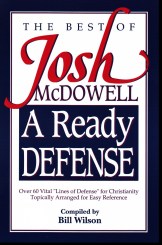
In a Ready Defense by Josh McDowell, McDowell lists criteria that is applied to check the validity of Historical documents. Mcdowell says that according to Military Historian C Sanders there are three basic principles of histography :the bibliographical test, the internal evidence test, and the external evidence test.


Case for Christ


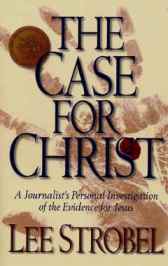
Lee Strobel, author of The Case for Christ and The Case for Faith, approaches the topic from an investigative journalism background. Through Interviewing experts and examining evidence regarding how accurate the Bible is.


Cold-CaseChristianity


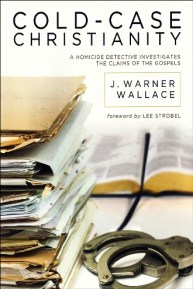
In Cold Case Christianity, J. Warner Wallace, a Los Angeles homicide detective approaches the same idea with an criminal investigator background


Regardless of the approach, what is being investigated is all basically the same. So in regards to reliability what I want to focus on are the areas: is what was passed down what was originally written. Are the accounts reliable to what actually happened, or just made up. Is there any archeological proof to back up the bible.

To do this I want to look at the acronym M-A-P-S

This stands for

Manuscripts, Archaeology, Prophecy, Statistics

bible-answer-man-260x195-v5I did not develop this acronym. This acronym and information mainly comes from CRI (the Christian research Institute). They are a great resource. This information was in an article by Hank Hanegraaf from April, 2009.You may know him from the Bible Answer Man radio broadcasts.


There is a wealth of information available to support the reliability of Scripture .These Four basic areas in the acronym MAPS will help chart your way to understanding basic biblical reliability.

.

Bible Reliability-Manuscriptsmanuscripts

Manuscripts refers to the reliability of the surviving manuscript copies of the original documents penned by the Scripture writers (we do not possess these originals). In determining manuscript reliability, we deal with the question: How can we test to see that the text we possess in the manuscript copies is an accurate rendition of the original?

bee-cartoon

There are three main manuscript tests: the Bibliographic, Eyewitness, and External (a second acronym — BEE — will help you remember these).

The bibliographic test considers the quantity of manuscripts and manuscript fragments, and also the time span between the original documents and our earliest copies. The more copies, the better able we are to work back to the original. The closer the time span between the copies and the original, the less likely it is that serious textual error would creep in. The Bible has stronger bibliographic support than any classical literature — including Homer, Tacitus, Pliny, and Aristotle.

We have more than 14,000 manuscripts and fragments of the Old Testament of three main types: (a) approximately 10,000 from the Cairo Geniza (storeroom) find of 1897, dating back as far as about AD. 800; (b) about 190 from the Dead Sea Scrolls find of 1947-1955, the oldest dating back to 250-200 B.C.; and (c) at least 4,314 assorted other copies. The short time between the original Old Testament manuscripts (completed around 400 B.C.) and the first extensive copies (about 250 B.C.) — coupled with the more than 14,000 copies that have been discovered — ensures the trustworthiness of the Old Testament text. The earliest quoted verses (Num. 6:24-26) date from 800-700 B.C.

The same is true of the New Testament text. The abundance of textual witnesses is amazing. We possess over 5,300 manuscripts or portions of the (Greek) New Testament — almost 800 copied before A.D. 1000. The time between the original composition and our earliest copies is an unbelievably short 60 years or so. The overwhelming bibliographic reliability of the Bible is clearly evident.

The eyewitness document test (“E”), sometimes referred to as the internal test, focuses on the eyewitness credentials of the authors. The Old and New Testament authors were eyewitnesses of — or interviewed eyewitnesses of — the majority of the events they described. Moses participated in and was an eyewitness of the remarkable events of the Egyptian captivity, the Exodus, the forty years in the desert, and Israel’s final encampment before entering the Promised Land. These events he chronicled in the first five books of the Old Testament.

The New Testament writers had the same eyewitness authenticity. Luke, who wrote the Books of Luke and Acts, says that he gathered eyewitness testimony and “carefully investigated everything” (Luke 1:1-3). Peter reminded his readers that the disciples “were eyewitnesses of [Jesus’] majesty” and “did not follow cleverly invented stories” (2 Pet. 1:16). Truly, the Bible affirms the eyewitness credibility of its writers.

The external evidence test looks outside the texts themselves to ascertain the historical reliability of the historical events, geographical locations, and cultural consistency of the biblical texts. Unlike writings from other world religions which make no historical references or which fabricate histories, the Bible refers to historical events and assumes its historical accuracy. The Bible is not only the inspired Word of God, it is also a history book — and the historical assertions it makes have been proven time and again.

Many of the events, people, places, and customs in the New Testament are confirmed by secular historians who were almost contemporaries with New Testament writers. Secular historians like the Jewish Josephus (before A.D. 100), the Roman Tacitus (around A.D. 120), the Roman Suetonius (A.D. 110), and the Roman governor Pliny Secundus (A.D. 100-110) make direct reference to Jesus or affirm one or more historical New Testament references. Early church leaders such as Irenaeus, Tertullian, Julius Africanus, and Clement of Rome — all writing before A.D. 250 — shed light on New Testament historical accuracy. Even skeptical historians agree that the New Testament is a remarkable historical document. Hence, it is clear that there is strong external evidence to support the Bible’s manuscript reliability.

Bible Reliability-Archaeologyarcheology

Going back to the MAPS acronym, we examined the first principle, manuscript reliability. Let us consider our second principle, archaeological evidence. Over and over again, comprehensive field work (archaeology) and careful biblical interpretation affirms the reliability of the Bible. It is telling when a secular scholar must revise his biblical criticism in light of solid archaeological evidence.

For years critics dismissed the Book of Daniel, partly because there was no evidence that a king named Belshazzar ruled in Babylon during that time period. However, later archaeological research confirmed that the reigning monarch, Nabonidus, appointed Belshazzar as his co-regent whie he was away from Babylon.

One of the most well-known New Testament examples concerns the Books of Luke and Acts. A biblical skeptic,Sir William Ramsay, trained as an archaeologist and then set out to disprove the historical reliability of this portion of the New Testament. However, through his painstaking Mediterranean archaeological trips, he became converted as — one after another — of the historical statements of Luke were proved accurate. Archaeological evidence thus confirms the trustworthiness of the Bible.

Bible Reliability-ProphecyProphecy

The third principle MAPS is Prophecy. The Bible records predictions of events that could not be known or predicted by chance or common sense. Surprisingly, the predictive nature of many Bible passages was once a popular argument (by liberals) against the reliability of the Bible. Critics argued that the prophecies actually were written after the events and that editors had merely dressed up the Bible text to look like they contained predictions made before the events. Nothing could be further from the truth, however. The many predictions of Christ’s birth, life and death (see below) were indisputably rendered more than a century before they occurred as proven by the Dead Sea Scrolls of Isaiah and other prophetic books as well as by the Septuagint translation, all dating from earlier than 100 B.C.

Old Testament prophecies concerning the Phoenician city of Tyre were fulfilled in ancient times, including prophecies that the city would be opposed by many nations (Ezek. 26:3); its walls would be destroyed and towers broken down (26:4); and its stones, timbers, and debris would be thrown into the water (26:12). Similar prophecies were fulfilled concerning Sidon (Ezek. 28:23; Isa. 23; Jer. 27:3-6; 47:4) and Babylon (Jer. 50:13, 39; 51:26, 42-43, 58; Isa. 13:20-21).

Since Christ is the culminating theme of the Old Testament and the Living Word of the New Testament, it should not surprise us that prophecies regarding Him outnumber any others. Many of these prophecies would have been impossible for Jesus to deliberately conspire to fulfill — such as His descent from Abraham, Isaac, and Jacob (Gen. 12:3; 17:19; Num. 24:21-24); His birth in Bethlehem (Mic. 5:2); His crucifixion with criminals (Isa. 53:12); the piercing of His hands and feet at the crucifixion (Ps. 22:16); the soldiers’ gambling for His clothes (Ps. 22:18); the piercing of His side and the fact that His bones were not broken at His death (Zech. 12:10; Ps. 34:20); and His burial among the rich (Isa. 53:9). Jesus also predicted His own death and resurrection (John 2:19-22). Predictive Prophecy is a principle of Bible reliability that often reaches even the hard-boiled skeptic!

Bible Reliability-Statisticsstatistics

Our fourth MAPS principle goes hand in hand with predictive prophecy, because it is Statistically preposterous that any or all of the Bible’s very specific, detailed prophecies could have been fulfilled through chance, good guessing, or deliberate deceit. When you look at some of the improbable prophecies of the Old and New Testaments, it seems incredible that skeptics — knowing the authenticity and historicity of the texts — could reject the statistical verdict: the Bible is the Word of God, and Jesus Christ is the Son of God, just as Scripture predicted many times and in many ways.

The Bible was written over a span of 1500 years by forty different human authors in three different languages (Hebrew, Aramaic, and Greek), on hundreds of subjects. And yet there is one consistent, noncontradictory theme that runs through it all: God’s redemption of humankind. Clearly, Statistical probability is a powerful indicator of the trustworthiness of Scripture.

The next time someone denies the reliability of Scripture, just remember the acronym MAPS, and you will be equipped to give an answer and a reason for the hope that lies within you (1 Pet. 3:15). Manuscripts, Archaeology, Prophecy, and Statistics not only chart a secure course on the turnpikes of skepticism ,but provides a strong base for our belief that the Bible is indeed divine rather than human in origin.


Other great resources for more information on this topic:


http://www.josh.org/resurrection/is-the-bible-reliable/

http://www.thepoachedegg.net/.services/blog/6a0133f0b2fdc2970b0133f0b34b07970b/search?filter.q=reliability+of+the+bible

Focus on the Family


Seasoning A New Grill/Pit

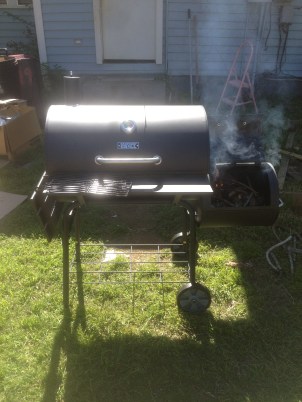
Ahhhh summer is almost upon us and that means, busting out the grills. I love cooking outdoors. I have a gas grill that I enjoy using, but nothing compares to that smoky flavor that comes from using a pit or charcoal grill. I stumbled upon a good deal and I purchased a new pit.  Well after some assembly required my pit was ready to cure/season.

 IMG_1428

This is an important step that some overlook. First off it helps prolong the life of your grill. More importantly it helps the flavor of your food. Nothing is worst than being excited to get your first offerings off of a new grill and have it taste like paint.

See grills and pits are a lot like cast iron cook ware in this regards, it needs to be seasoned first and the more you use it, the better it gets. This is due to the nature of how a grill and pit works, they smoke the juices from what you are cooking and they get vaporized into the grill. This is what provides the unique grill flavor to the food cooked in one and why the more it is used the better it gets.

vegetable oilI started by putting vegetable oil on a cotton rag and rubbing the entire inside of the pit. After this was done it was time to light a fire. I built the fire in the fire box and let it go. I let the temperature stay around 250 ( most air vent s were closed) and let it go that way for an hour or more. I then opened all the vents and let the temperature rise. My intent was just to get to 45oand let it stay there for a bit before raising the temp. Well it is a new pit and some trial and error ensued with the temp quickly climbing to 500. This is perfectly okay. Some tutorials actually say just set it above 400 and let it go for 30-45 minutes. I am a firm believer in low temp and longer cooking times and well some of that idea flows over into the way I season my pits. It didn’t take much closing to get the temp back down.

OLYMPUS DIGITAL CAMERA

I had purchased some hog jowl and placed that straight on the fire and allowed the flavor of that to permeate through the pit and just let it keep burning for several hours. Some people also add spices to the fire and other ideas to add flavor. This is where individual chef personalities take over. I was not worried about that because I was eager to baptize this baby with meat.

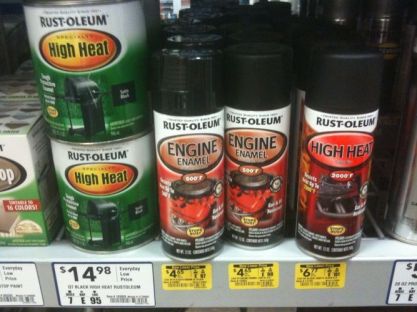
 high heat tempI want to point out, depending on how the paint quality , the heat will cause some flaking on the outside of the grill, especially on the fire box if it has an off set firebox. This is okay. If it bugs you, you can always purchase high temperature grill paint and touch it up. It should go with out needing to be said, but obviously wait for it to completely cool before attempting to repaint. Also wait for it to dry before grilling again.

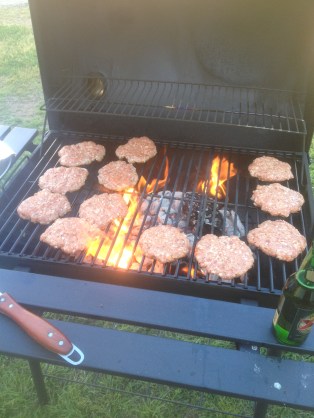
IMG_1453Time to cook some meat.I fired up the main area with charcoal and waited for the coals to completely ignite and become ready. I then started off the initial cooking with grilling one of my favorite burger recipes (recipe below).

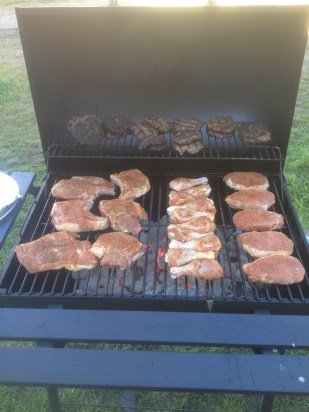
After the burgers were ready I added two types of seasoned pork chops along with some chicken legs. I had prepped some herb and garlic potatoes and had them in foil ready to go on the grill as well. When all of that had finished, there was still plenty of great cooking coals. I hate to let good coals go to waste so I prepped some fish with garlic, curry, and some other spices, wrapped in foil and through it on the grill. Between the visiting with friends, kids, and wanting to get my grub on,                                                                                            I forgot to take finished meat pictures. However it IMG_1454was a successful maiden trip with the new pit. All the food possessed excellent flavors. The friends and family all enjoyed themselves, so mission accomplished and I am confident that this pit’s future is indeed very bright as age will only improve the seasoning.

Burger Recipe

 3 lbs ground beef (chuck or sirloin is fine, I actually do not mind the fattier meat for burgers)

1lb of ground pork

1lb ground breakfast sausage

1 package Bratwurst

1 lb bacon

2 tsp water

1 tsp paprika

1tsp salt

1tsp black pepper

1 tsp garlic powder

I first chopped and fried the bacon, then added it along with the rest of the ingredients in a large bowl. Mix the ingredients together well and form into patties. I personally like to make mine about an inch thick.  I was able to get 24 patties. Slap on the grill and cook. I like my steaks medium rare, but prefer my ground meat to be fully cooked, but not burnt offerings.

 However you do it, just get outside and enjoy family, and friends. Happy grilling!

 A few extras:

 https://www.youtube.com/watch?v=W0jVkPYQjEo

 https://www.youtube.com/watch?v=P844OuDbRcU


BUT GOD…

In 1986, a Hip hop artist named Sir-Mix-a Lot, produced a song titled, “Baby got Back” This is a song that is still played in certain genres from time to time. The song starts out with the phrase, ‘ I like big butts and I cannot lie…” This song obviously is referring to body parts, but as I was preparing this word, that opening phrase came to mind. That phrase actually applies to most of us, but in a different way. For example, how many of you have ever said or thought something along these lines:

I would go work out today, but I am too tired.

I want to talk to my friend about this issue, but I don’t like confrontation.

I want to do great things, but I am too old/young.

I would do (insert whatever), but (insert any excuse).

When we follow statements with the word but, it usually negates everything we said before it. Life can make the but seem really big and it often prevents us from doing things.

Well I want to tell you it is time for us all to get off our butts.

When we find ourselves coming up with a thought that contains a but, we need to follow that with god. BUT GOD!

Those are my favorite words in the Bible, my favorite concept regarding how life works. The beauty of how this works rests on God’s mercy and grace.

Mercy and grace are often confused. While the terms have similar meanings, grace and mercy are not the same. To summarize the difference: mercy is God not punishing us as our sins deserve, and grace is God blessing us despite the fact that we do not deserve it. Mercy is deliverance from judgment. Grace is extending kindness to the unworthy.

In short, mercy is God not giving us what we do deserve; grace is God giving us something we do not deserve.

There are many things we have access to because of God’s mercy and grace working together to give us a but God statement. I want to look at just 3 of them today.

1st Gods mercy and grace gives us salvation

Titus 3:5

5 Not by works of righteousness which we have done, but according to his mercy he saved us, by the washing of regeneration, and renewing of the Holy Ghost;

 Ephesians 2:8-9

For you are saved by grace through faith, and this is not from yourselves; it is God’s gift— not from works, so that no one can boast.

 The apostle Paul knew he had received God’s mercy and

he knew full well that he didn’t deserve it. But God, the most wonderful two words ever put together, but God gave it to him anyway.

You see Paul made a lot of mistakes before being saved.

He was essentially an old time Charles Manson, being responsible for the death of a lot Christians. Then one day, on the road to Damascus, Paul received Gods mercy instead of the judgment he deserved. Not only that but grace was given to him, which included a new name (from Saul to Paul), a new life, and a new mission. None of which was based on anything he could boast in. He was forever thankful.

2nd God’s mercy and Grace also gives us help in our times of trouble

 Hebrews 4:16

16 Let us therefore come boldly unto the throne of grace, that we may obtain mercy, and find grace to help in time of need.

 We all face difficult and trying times, I am sure everyone here has cried at some point in life, I know I have.

But there is good news. The help and comfort we need is always available during these times. It is all because of Gods mercy and grace. No one has earned the help that God gives to us each day, we all should be punished for our sins and should reap the results of our bad choices without comfort. Have you ever heard the phrase you made your bed, now lie in it? Well we often times find our selves in trouble, but God shows mercy in not leaving us alone and then in addition shows us Grace by giving us help.;

What have any of us done for God lately that he owes us any favors? He is God. He doesn’t need us to give him anything.

Everything that we are given is because of his loving grace and mercy.

I am so thankful for all the blessings that God gives to me

3rd Because of Gods mercy and grace, we have all we need to endure whatever comes our way

2 Corinthians 4:1

Therefore, since we have this ministry because we were shown mercy, we do not give up.

 Philippians 4:13

I am able to do all things through Him who strengthens me.

 Berean literal translation says:

I have strength for all things in the One strengthening me.

 Sometimes life gets so stressful that it seems like we just can’t go on another day but there is good news. The good news is that we are not alone. God’s mercy and grace strengthens us and sustains us so we do not have to give up. We can endure whatever comes our way because he gives us strength and walks through it with us. We may feel alone and abandoned, too weak to make it through, But God never leaves us or forsakes us. We have a friend in Jesus, a friend that sticks closer to us than a brother. When it seems that we can’t go on any farther he tells us to cast our cares upon him because he cares for us. His mercy and grace is new every day, always available to us.

I want to share a short story about Henry Ford. One day he was driving through the Michigan countryside when he saw a man whose model T Ford had broken down alongside the road. Mr Ford stopped and asked the man if he could take a look and see if he could fix, it the man said yes. In just a matter of minutes Mr Ford had the car running again. The man told Mr Ford he sure was impressed. Henry Ford replied, “well I should be able to fix,. it after all I am the one who designed it.”

God has designed us and whatever might be wrong with us God is able to fix it. There is nothing that God cannot do. The next time life throws you something that causes you to pause and say but… I want you to remember the biggest but of all, but God. Go to Him and take advantage of His mercy and grace today. It turns out I really do like big buts, and I cannot lie.

Great BUT GOD verses:

Genesis 8:1

But God remembered Noah and all the wild animals and the livestock that were with him in the ark, and he sent a wind over the earth, and the waters receded.

Genesis 31:42

If the God of my father, the God of Abraham and the Fear of Isaac, had not been with me, you would surely have sent me away empty-handed. But God has seen my hardship and the toil of my hands, and last night he rebuked you.

Genesis 50:20

You intended to harm me, but God intended it for good to accomplish what is now being done, the saving of many lives.

1 Samuel 23:14

David stayed in the desert strongholds and in the hills of the Desert of Ziph. Day after day Saul searched for him, but God did not give David into his hands.

1 Kings 5:4

But now the LORD my God has given me rest on every side, and there is no adversary or disaster.

Nehemiah 9:17

They refused to listen and failed to remember the miracles you performed among them. They became stiff-necked and in their rebellion appointed a leader in order to return to their slavery. But you are a forgiving God, gracious and compassionate, slow to anger and abounding in love. Therefore you did not desert them.

Psalm 49:15

But God will redeem my life from the grave; he will surely take me to himself.

Psalm 73:26

My flesh and my heart may fail, but God is the strength of my heart and my portion forever.

Isaiah 40:8

The grass withers and the flowers fall, but the word of our God stands forever.

Jonah 2:6

To the roots of the mountains I sank down; the earth beneath barred me in forever. But you brought my life up from the pit, O LORD my God.

Matthew 19:26

Jesus looked at them and said, “With man this is impossible, but with God all things are possible.

John 1:18

No one has ever seen God, but God the One and Only, who is at the Father’s side, has made him known.

Acts 2:24

But God raised him from the dead, freeing him from the agony of death, because it was impossible for death to keep its hold on him.

Acts 3:15

You killed the author of life, but God raised him from the dead. We are witnesses of this.

Acts 5:39

But if it is from God, you will not be able to stop these men; you will only find yourselves fighting against God.

Romans 5:8

But God demonstrates his own love for us in this: While we were still sinners, Christ died for us.

Romans 6:23

For the wages of sin is death, but the gift of God is eternal life in Christ Jesus our Lord.

Romans 8:9

You, however, are controlled not by the sinful nature but by the Spirit, if the Spirit of God lives in you.

1 Corinthians 1:27

But God chose the foolish things of the world to shame the wise; God chose the weak things of the world to shame the strong.

Ephesians 2:4-5

But God, who is rich in mercy, because of His great love that He had for us,[a] 5 made us alive with the Messiah even though we were dead in trespasses. You are saved by grace!

2 Timothy 2:9

for which I am suffering even to the point of being chained like a criminal. But God’s word is not chained.




Fire Craft:The Art of Building a Fire.

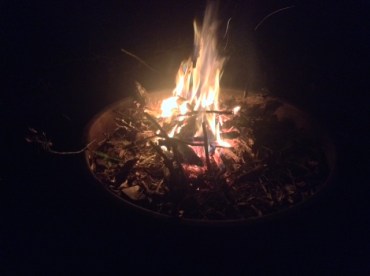
night fireFire, arguably man’s most useful primitive skill, is still one of the most important bush craft or outdoorsman skills. From starting grills, warming up a house with a fireplace, burning off trash and garbage, the productive uses of fire are numerous. In a survival situation, the presence of a fire is a game changer. With benefits that include its’ ability to help regulate core body temperature, water purification, cooking, and the sheer psychological boost that just having a fire brings, fire craft is a skill evno lighter fluidery individual needs.
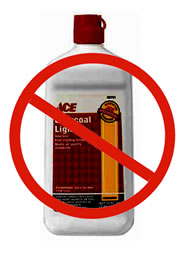
I am pretty sure most everyone thinks they know how to build a fire. Th
row some sticks and wood together, soak it in lighter fluid and throw a match on it. Yay fire! I have watched people start many fires in this manner, and five minutes later they are spraying more
lighter fluid on it to keep it going. True fire craft is the ability to start a fire and keep it going without having to use lighter fluid or other types of liquid combustible.

string fireBack in Boy Scouts, we would have one-match competitions as p
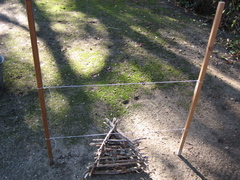
art of a skills based obstacle course. You were provided the materials and one match. A string was stretched across the fire lay at a certain height. The first to build their fire and burn the string moved on to the next event leg of the race. Did I mention you only got one match?

Understanding the basics of how to properly build and light a fire was a necessity to complete the task. I would like to say In the real word ylighter memeou should never be caught with just one match. Heck you should never be caught out with just one way to start a fire. A common motto in the survival and bush craft world states :”two is one, one is none.”
Murphy’s law being what it is, it is best to “be prepared” (good old Scout Motto) and have a backup. I keep a lighter in my pocket even though I am not a smoker, and my EDC (every day carry) has several other ways to start a fire. Nevertheless, you can use up all your matches and all the fluid in a lighter without ever getting a fire going if you do not know the proper mechanics.


In December of 1854, Louis Pasteur gave a speech in that is the origin of the phrase, “Chance favors the prepared mind.” He was specifically referring to the observational sciences, yet it is an idea that transfers over to many areas. Being prepared with knowledge, skills, and experience allows you to notice those chances and opportunities to succeed during difficult situations.

That being said, preparation is the difference between someone successfully stating a fire that stays lit, and running around struggling to keep it going. So always gather your supplies and have them at hand prior to striking your match.

There are four basic essentials you will need to start any fire regardless of the use:

Ignition sourcetinder_kindling_fuel

Tinder

Kindling

Fuel wood


Ignition Sourcefire-starters

 This is relatively self-explanatory. You need something with which to light the fire. There are many options and I suggest having redundancy.

Matches and lighters are at the top of the list due to being easy and widely available. Keep some with you all the time.

The reality is, if you can generate a spark or enough heat, it can be an ignition source for you if you are experienced in fire craft, some require more skill than others. I would suggest practice starting fires with as many different ways as you can because chance favors the prepared mind.

Other possible ignition sources


 Flint and Steel,Batteries and steel wool,Potassium Permanganate and Glycerin,Friction fire (think rubbing sticks together though there is a bit more to it than that.)


So you have an ignition source, you need the building materials for the fire which are: tinder, kindling, and Fuel Wood. Gather these items and have them at hand prior to starting your fire.


Tinder

 Every good fire starts with Good tinder. This is what you will apply your ignition source to, because it catches easily, it also burns quickly and that is why you need to have your kindling at hand.

Different things can be used as tinder, botmanmade tinderh natural and man-made. Natural tinder would include dry grass or leaves, wood shavings, feather sticks, Cattail fluff, lighter wood,etc.
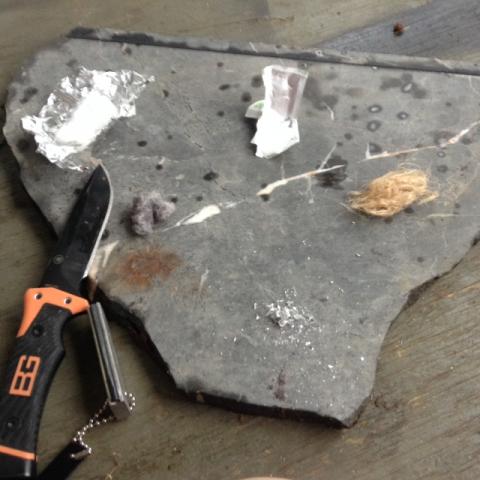
Man made tinder would be things like dryer lint, Vaseline coated cotton balls, Trioxane Fuel tabs, etc.

The important quality to tinder is the fact it takes a spark easily. Again I encourage you to be prepared and take some type of tinder with you on outings. This prokindlingves useful especially when everything is damp. Wet tinder will not light.
Kindling

Tinder is going to burn up quickly and if you throw large pieces of wood onto your tinder it will just smother the fire. You need something to bridge the gap, and that is where kindling comes in.
This consists of small twigs and branches about the size of a pencil or a bit smaller. This needs to be dry as well. If everything is damp then find some larger parts and whittle or baton them into smaller, useable pieces. No matter how damp branches are, the inside of them is usually dry.


Fuel Wood

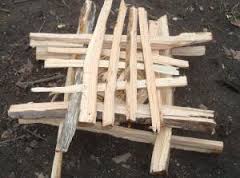
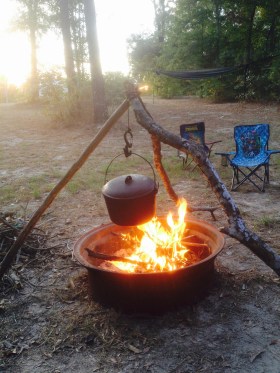
tripod fireThis is what keeps the fire burning nice and hot and for as long as you keep giving it fuel. This does not have to be giant logs, think about the size of your forearm or wrist. Remember, the larger the log, the longer it will take to start burning. When building a fire you are always going from smaller pieces to larger.
Unlike tinder and kindling, it is okay if the fuel wood is damp. If you have the fire going well with plenty of kindling, it will dry out the dampness of the fuel wood.


Now that you have all of the materials, you need to build your fire lay. In Boy Scouts we were taught many different fire lays for different purposes. It is great to know different ways to set up the fire, but it isn’t a necessity. I may cause my scout masters to have an aneurism, but I have built many successful fires with what basically amounted to just grabbing a handful of sticks and piling them together in the right order (tinder, kindling, then fuel) as opposed to constructing a particular fire lay. It really boils down to what is the purpose for your fire. That is what should dictate what type of fire lay you construct, if you even use one.


That being said, here are some examples of different fire lays:


teepee_fire


Tipi (Good for cooking)

Lay the kindling over the tinder in a triangular shape like you’re building a tipi.


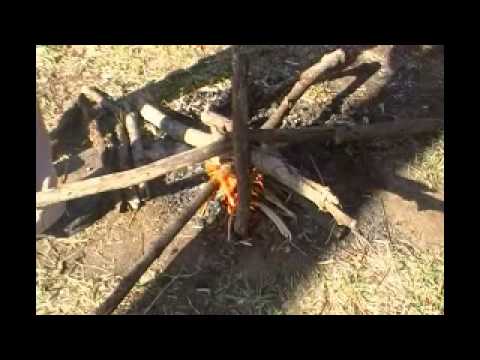
Star(Perfect for a long-lasting campfire)star fire lay

Crisscross the kindling over the tinder.

Lean-to (Good for cooking)

Drive a long piece of kindling into the ground so that it angles over the tinder or use a large log, then lean smaller pieces of kindling against the longer piece. It looks similar to the lean to shelter as the name suggests.


Log Cabin (Longest lasting campfire)log cabin fire lay

Did you ever play with Lincoln Logs? This is basically the same thing. Surround your pile of tinder with kindling, stacking pieces at right angles. Top the “cabin” with the smallest kindling.


Other fire lays you should check out include:

Key hole fire, Long fire, Star fire, H fire, A frame, and I am sure many many more I do not know.

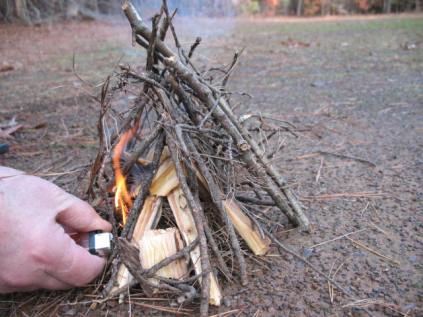
When you have gathered all the materials together, decided on your fire lay, the rest is pretty intuitive. You apply your ignition source to the tinder, waiting for it to ignite. lighting the fireDepending on the type of source and tinder, you may need to gently blow on your ember as you add the kindling to this in order to coax the flame. As the flame grows, slowly add more kindling and ultimately fuel wood creating a larger and larger fire until you reached the desired size based on your needs. It is important to not go too fast when adding wood. Let the the kindling have time to ignite and have create a good base with a decent amount of kindling burning before moving up to the fuel wood. The fuel wood will take longer to ignite and therefore the kindling must keep the flame going during this time.

 

This gives you the basics, what is needed now is practice. So get out and practice building fires, safely

General tips

Be safe. Always clear out the area where you are going to build your fire. Make sure to keep it contained and have water and/or sand nearby to put it out.

 Dry wood is better than green. If it bends instead of snapping or breaking, it is too green.

Dead branches hanging in trees will generally be dryer than those on the ground if it has been raining

Gather twice as much tinder, kindling, and fuel wood as you think you will need. It is surprising how fast you will go through it, and you do not want your fire to go out because you do not have enough materials and it dies while you are out trying to gather more wood. Remember that whole prepared thing.


A great infographic as a recapfire infographic

Other great resources:

http://graywolfsurvival.com/2810/build-fire-basics/

http://www.woodheat.org/build-maintain-fire.html


Quick and Easy Bean and Bacon Soup

I enjoy cooking. I love trying new things, learning how flavors blend, or don’t, with different combinations. I am tantalized by the aroma that fills the house and how it aids in the anticipation of the culinary offering that I will be bringing to the table. However, I do not always have a lot of time to spend preparing every meal. Running around trying to keep up with all of our schedules can be tough and sometimes I have to just throw something together quickly.

Earlier this week my wife was not feeling well, her throat was bothering her. She wanted soup for dinner. Well this was not really what I was planning on making, but I am flexible. Besides, keeping Momma happy is always top priority and very beneficial to me in the long run. I knew I had probably had some items on hand that would make a great quick soup.

As much as I enjoy the wonderful flavor of my go to vegetable soup, I just wasn’t in the mood. My taste buds were also not excited about having a noodle based soup. So after glancing through what was in the pantry and fridge, I had an idea. Everyone in my house loves beans , we always have some on hand, and of course who doesn’t love bacon? So I threw together a quick Bean and bacon soup. When I say quick, I mean it was real quick, under an hour. I am pretty sure if there had been no interruptions by my wonderful little minions, It would have been close to a 30 minute meal.

As with all soups, this could easily be done in a slow cooker. The extra time simmering would allow for the flavors to develop even more. You could also substitute dry beans. Nevertheless, this was put together as a crunch time, take care of Mamma meal so I used canned beans.

The recipe basically unfolded as follows:

 BEAN AND BACON SOUP 

 4 cans Great Northern Beans

2 14 oz cans chicken broth (I like Swanson’s low sodium)

1 15 oz can Tomato Sauce

½ lb package of bacon (it’s what I had but more is always better with Bacon IMHO)

3 celery stalks finely chopped

1 green bell pepper chopped

1 large onion finely chopped

1 tablespoon minced garlic

Salt –to taste ( I used 1 teaspoon and added more at the table mainly trying to cut back on salt intake )

2 teaspoons black pepper

1 teaspoon paprika

2 splashes (or more I really didn’t measure it) of Worchester Sauce

2 teaspoons flour

½ cup of hot water


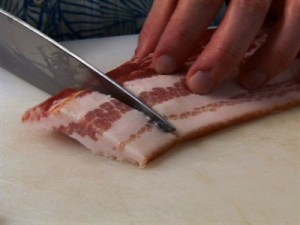
cutting baconI sliced the bacon into about 1 inch squares and browned it on the stove top over medium heat. I did this in the pot I was using for the soup so this was a one pot meal, I love easy clean up.
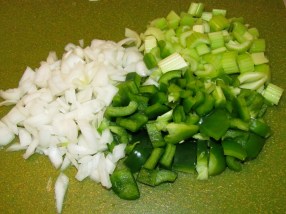


I added the onions, bell pepper, and celery in with the bacon and cooked then until The-Holy-Trinity-of-Cajun-Cookingtranslucent. Thinking back, I should have set some of the bacon off to the side to use as a garnish as well as chopped some green onions. I will have to do that the next time.  The kids requested I remember this one and fix it again some time, so YAY! A win for Dad.
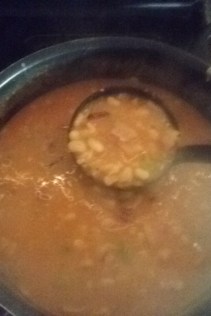
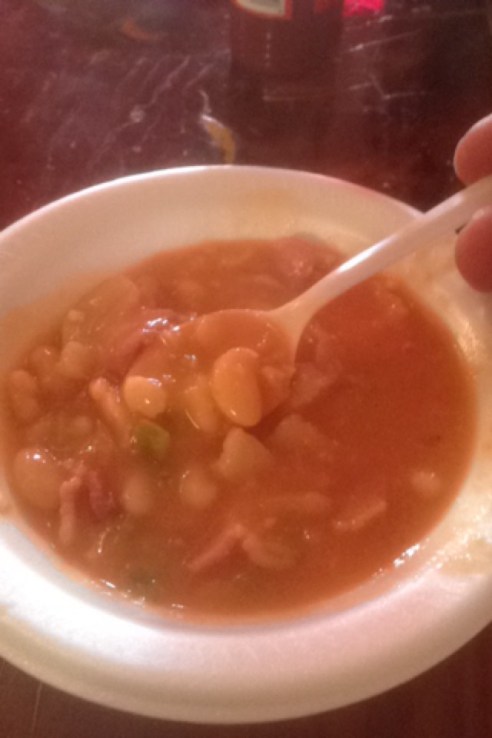
 

Slow cooker beans

I added the rest of the ingredients , except flour and hot water, into the pot and raised the temperature to high. Blend the flour in with the hot water and add to the soup when it starts to boil. Lower the temp and let simmer, stirring occasionally, until desired thickness and ready to serve.bean and bacon sop


As simple as the recipe was, my kids and wife devoured it. It was so full of flavor, the smokiness of the bacon paired with the paprika very nicely and the thickness of the soup really offered a satisfying comfort food quality to this dish. I hope you enjoy it as well.


Cordage

When exploring the great outdoors it pays to adhere to the old Boy Scout motto, “be prepared.”
In keeping with that idea I want to talk about cordage. Cordage is an item with many uses:

Lashing   hemp-rope-uses-infograph
Shelter Building
replacing shoe laces

nets
clothing repair
Keeping food away from critters
Bow drill for fire starting
tying up bandits
First Aid applications
the list goes on and on…


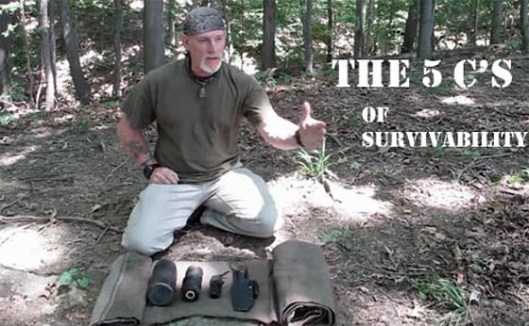
It is important enough to have landed on Dave Canterbury’s ( The Pathfinder School, Dual Survivor, etc.) 5 C’s of Survivability list.the-five-c-of-survivability

C-cutting device
C-combustion device
C-cordage
C-container

So needless  to say it is important to have cordage especially when going out into the great outdoors.


man made cordageThere are many types of cordage from both natural and man made materials.natural cordage


Cordage can even be made  out in the wild from various materials. This is a great skill to possess so it is work spending the time learning how.natural rope tip


However, with all the types of cordage available,inexpensively, there is no reason everyone should not just include some type of cordage in every EDC, BOB, survival kit, glove box, large pocket, etc.


Two great types of cordage to always have available is Paracord and Bank line.

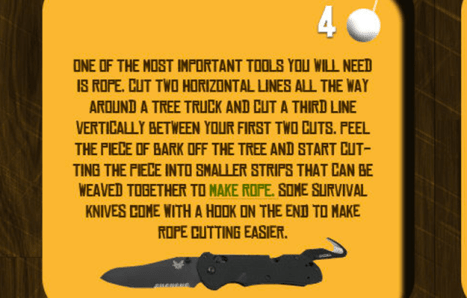
Paracord is like the duct tape of the cordage world. It’s usefulness and versatility is only limited by the imagination. Paracord comes from the military and was used as parachute cord hence it’s name. It is also sometimes referred to as 550 cord due to its load pairing capability being 550l bs. True Mil-spec paracord consists of 7 inner strands inside a paracordbraided sheath. All this and it is still a very small size. The beauty of it is due to it’s construction. You can take a piece apart and have 7 x the length of the cut portion in a smaller diameter cordage than can now be used for sewing repairs, or a number of projects well as the sheath it rests inside. This greatly increases the usability of the paracord. A good rule of thumb regarding items to carry with you out into the woods is for it to have multiple purposes. Since the paracord itself offers more than on size of cordage, it is an excellent item to carry. I like to replace my shoe laces with paracord so that I always have some on me. If I need to use the cordage, I can take it apart and still have the sheath to lace up my shoes. If I can only have one type of cord, more often than not I choose paracord.
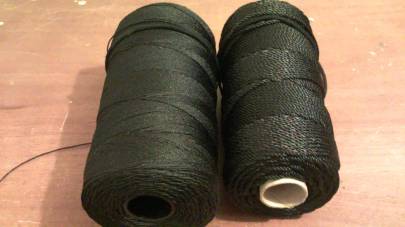
Paracord can be found in most hardware stores, Walmart, and easily found online. Prices vary but you can usually get 100ft for under $ 8.00.

Another type of cordage that gets a lot of raves in the survivalist and bushcraft communities is Bank line, or trout line. This is a type of mariner twine and is very cheap. Bank lineYou can get 1,000 ft for around $15.00. This line is smaller than paracord, so you can carry more of it. However it does not break down into multiple sizes. It also has a lower weight capacity usually being 150 to 350 lbs depending on the brand and size of bank line.


 

However there are ways of increasing strength or cordage such as a two strand twist or braiding. (see bottom for links to tutorials)

Bank line is coated in a tar substance (it’s intended purpose is to be in water) which allows it to hold up to the environment better. The coating does not make it sticky to the touch, nor does it rub off. There is a slight odor to it, but it is barely noticeable to most people. It would be something to consider if using bank line for snares.

There is really no excuse for someone not to have cordage with them when they go out in the woods. So get outside, enjoy nature, and take cordage with you.

Tutorials :
Two strand twist
https://www.youtube.com/watch?v=lFiBQH3-OZ0

Braiding
https://www.youtube.com/watch?v=mbYx0j8EoLg

Red Beans & Rice

Beans and Rice. So simple and yet so many different variations can be created with those two ingredients. Some may look upon them as poor man’s food, but their versatility make them staples in my book. Using them separately to accompany so many different dishes, and of course using them together to create culinary masterpieces. Beans and rice were meant to go together just like Peanut butter and Jelly were joined by destiny. Though there is different opinions regarding this,beans and rice have long been praised for combining together to make a complete protein (links with more info on this debate are at the bottom). Whether this is true or just a myth originally born out by a misunderstanding of amino acids at the time, I do know they combine together to create a complete, and delicious, meal.

With so many types of beans and rice, the combinations are almost endless, black beans and rice, pinto beans and rice, refried beans and rice, but my favorite will always be red beans and rice. I love the way they smell while cooking. The aroma brings back great memories as a child. Heck red beans and rice were even one of my favorite meals served in the cafeteria at my school. So to me, red beans and rice are a real comfort food.


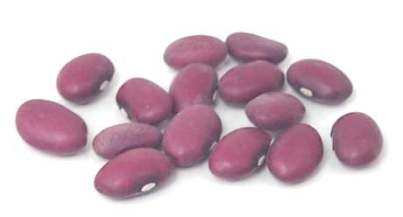
redbeans6Now let’s talk beans. Kidney beans are not red beans. Red beans (also called adzuki) are smaller and rounder (like pinto beans), but red in color. However, the two beans are fairly similar and can generally be used interchangeably in recipes that call for either dried or canned beans. Even so, I prefer red beans because once soaked, they create the creamy and smooth texture I expect in traditional red beans and rice.
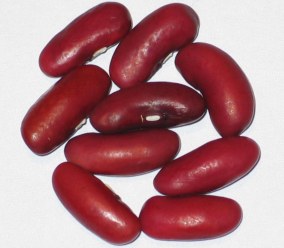
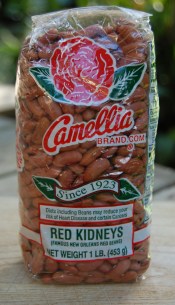
kidney beanKidney beans do not cook to the same creamy consistency as small red beans, they also don’t stand-up to long boiling time. Kidney beans may prove easier to find so if you substitute, the smaller ones work better and Camellia is a great brand that has found it’s way into many a Cajun’s home and pot.Camellia brand


Another important ingredient that needs to be discussed is sausage. Every pot of red beans and rice needs sausage.It is just not right without it. Any good smoked sausage will work, however, if you want true authentic flavor, you need to use Andouille sausage. Yeah that pretty much sums that topic up, great talk.

Serving the red beans and rice is as simple as it is to make. Pour the beans over the rice and serve. The rice can be mixed in with the beans, but growing up that meant the beans were leftovers from the night before. There is something about the extra time allowing flavors to marry that make leftover beans and rice even more delightful, however first time serving was always beans over the rice at our house.

redbeans with hot sauceYou need hot sauce on the table so people can add a splash (or more) to the individual bowls. Tabasco will work, I have used it, I also like Texas Pete; but growing up it was always Louisiana Hot Sauce on the table. Some people like to add cider vinegar to their bowl, I was never a fan of this. It is a way to sneak that healthy apple cider vinegar into your life.Justin Wilson

Now pair this bountiful offering with some hot buttered cornbread and you have an award winning dinner!

Ok enough babbling on my part, here is how it is done:

Ingredients:
1 pound dry red beans
1/4 cup olive oil
1 to 2 large onions, chopped
1 green bell pepper, chopped
2 tablespoons minced garlic
2 stalks celery, chopped
6 cups water
2 bay leaves
1/2 teaspoon cayenne pepper (or more if you like it hot)
1 teaspoon dried thyme
1/4 teaspoon dried sage
1 tablespoon dried parsley
1 teaspoon Cajun seasoning
1 pound andouille sausage, sliced
4 cups water
2 cups long grain white rice

Directions:

Rinse beans, and then soak in a large pot of water overnight.
In a skillet, heat oil over medium heat. Cook onion, bell pepper, garlic, and celery in olive oil for 3 to 4 minutes.
Rinse beans, and transfer to a large pot with 6 cups water. Stir cooked vegetables into beans. Season with bay leaves, cayenne pepper, thyme, sage, parsley, and Cajun seasoning. Bring to a boil, and then reduce heat to medium-low. Simmer for 2 1/2 hours.
Brown the sausage then stir sausage and drippings into beans, and continue to simmer for 30 minutes.
Meanwhile, prepare the rice. In a saucepan, bring water and rice to a boil. Reduce heat, cover, and simmer for 20 minutes. Serve beans over steamed white rice.

To save time I have just thrown everything into a slow cooker and let it go. It still comes out tasting great. I do think it works best to go ahead and saute the veggies before adding them to the slow cooker. When I use the slow cooker I just come home and toss rice into the rice maker (a wonderful invention, I believe everyone needs one) and am ready to go. Hope you enjoy!

Some links on the complete protein debate:

http://www.forksoverknives.com/the-myth-of-complementary-protein/
http://www.care2.com/greenliving/rice-and-beans-perfect-protein-or-perfect-myth.html
EmerilAnd a tip of my hat to Emeril Lagasse and his version:

http://www.foodnetwork.com/recipes/emeril-lagasse/red-beans-and-rice-recipe2.html


Apologetics? What is it?

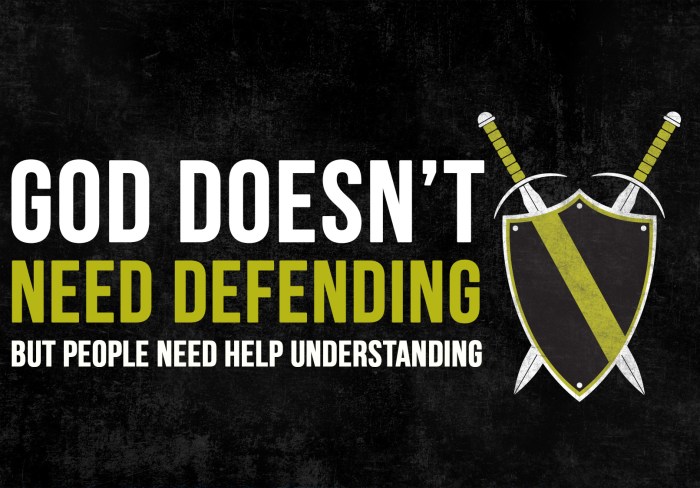
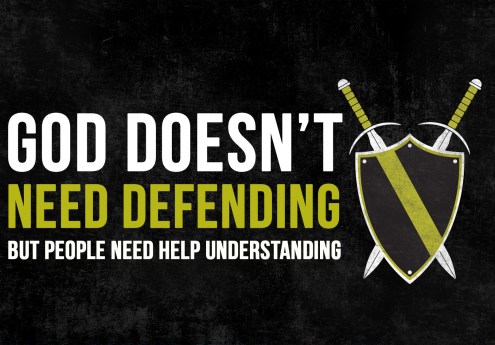
Apologetics is defined as reasoned arguments or writings in justification of something, typically a theory or religious doctrine. It is the aspect of theology that deals with the defense and establishment of the Christian faith. It is NOT apologizing for a faith in Christianity. It is simply defined as defending the faith, or as J Warner Wallace puts it, “Christian case making.” I like how that sounds apologetics isn’t about defending God, but helping others understand.

god doesn't need defending

The word, “apologetics,” comes from the Greek word, “apologia,” pronounced “ap-ol-og-ee’-ah.” It means “a verbal defense.” It is used eight times in the New Testament: Acts 22:1, 25:16, 1 Cor. 9:3, 2 Cor. 10:5-6, Phil. 1:7, 2 Tim. 4:16, and 1 Pet. 3:15.

1 Peter 3:15 is the verse that is most used as the reason all Christians should be familiar with Apologetics.

15 but honor the Messiah as Lord in your hearts. Always be ready to give a defense to anyone who asks you for a reason for the hope that is in you.(HCSB)

Verse 16 goes on to give direction regarding how and why.

16 However, do this with gentleness and respect, keeping your conscience clear, so that when you are accused,those who denounce your Christian life will be put to shame.
Always be ready to give a defense to anyone. Right there in a nut shell is the instruction for all Christians to be knowledgeable in apologetics. Now this does not mean everyone needs to go to college and earn a degree in Christian Apologetics. However it does mean everyone should know what they believe and why they believe it.

There is a story I tell my students when I a stressing the importance of knowing why the believe something and not just take other people word for things. I would like to share it.

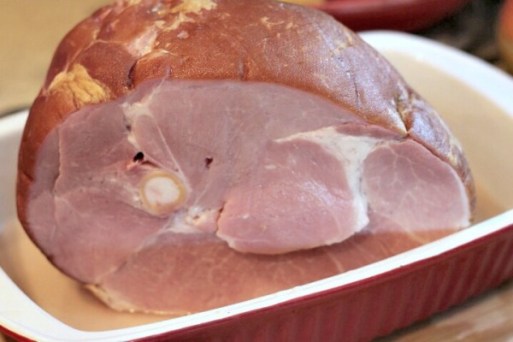
A young girl is in the kitchen with her mother learning to cook. This particular meal they are making a ham. As she carefully watches what her mother does, she asks,”Why do you cut the ends off the ham?” After a slight pause the mother replies,” I really don’t know. This is just how my mother did it.” “oh, ok.”
Later in the week the mother is on the phone with the grandmother discussing this and that when she remembered her daughters question.
“Hey mom, Sarah was helping me with the ham the other day and asked a question i just never really thought of before, why do we cut the end off the ham before baking it?” “Well gosh Honey, I really don’t know either, that is just the way I was taught by mom.” This Great grandmother of this family was still alive and as the curiosity built up regarding this mysterious technique, Sarah’s mom called the great grandmother, posing the same question.
“Nana, why do we cut the end off the ham before baking it.” After a considerably amount of laughter, she answered,” Oh child, you don’t have to cut the ends off the ham. I used to do that because I didn’t have a pan large enough for the whole ham to fit into and Papa liked sandwiches made from the end pieces for his lunch.”

ham

Not knowing why you believe what you believe can lead to doing things or holding on to ideas that are not relevant. So Apologetics not only allows us to tell others about our beliefs, it helps increase our faith because it builds a more solid foundation of what we believe, and why we believe it.
Great Apologetic resources:

https://carm.org/introduction-apologetics

http://www.thepoachedegg.net

https://answersingenesis.org

http://www.josh.org

Apologetics? What is it?

Apologetics is defined as reasoned arguments or writings in justification of something, typically a theory or religious doctrine. It is the aspect of theology that deals with the defense and establishment of the Christian faith. It is NOT apologizing for a faith in Christianity. It is simply defined as defending the faith, or as J Warner Wallace puts it, “Christian case making.” I like that better because God does not need someone to defend him against anyone, but other people need guidance and help in understanding.

god doesn't need defending

The word, “apologetics,” comes from the Greek word, “apologia,” pronounced “ap-ol-og-ee’-ah.” It means “a verbal defense.” It is used eight times in the New Testament: Acts 22:1, 25:16, 1 Cor. 9:3, 2 Cor. 10:5-6, Phil. 1:7, 2 Tim. 4:16, and 1 Pet. 3:15.

1 Peter 3:15 is the verse that is most used as to the reason all Christians should be familiar with Apologetics.

15 but honor[ the Messiah as Lord in your hearts. Always be ready to give a defense to anyone who asks you for a reason for the hope that is in you.(HCSB)

Verse 16 goes on to give direction regarding how and why.

16 However, do this with gentleness and respect, keeping your conscience clear, so that when you are accused,[those who denounce your Christian life[d] will be put to shame.
Always be ready to give a defense to anyone. Right there in a nut shell is the instruction for all Christians to be knowledgeable in apologetics. Now this does not mean everyone needs to go to college and earn a degree in Christian Apologetics. However it does mean everyone should know what they believe and why they believe it.

There is a story I tell my students when I a stressing the importance of knowing why the believe something and not just take other people word for things. I would like to share it.

A young girl is in the kitchen with her mother learning to cook. This particular meal they are making a ham. As she carefully watches what her mother does, she asks,”Why do you cut the ends off the ham?” After a slight pause the mother replies,” I really don’t know. This is just how my mother did it.” “oh, ok.”
Later in the week the mother is on the phone with the grandmother discussing this and that when she remembered her daughters question.
“Hey mom, Sarah was helping me with the ham the other day and asked a question i just never really thought of before, why do we cut the end off the ham before baking it?” “Well gosh Honey, I really don’t know either, that is just the way I was taught by mom.” This Great grandmother of this family was still alive and as the curiosity built up regarding this mysterious technique, Sarah’s mom called the great grandmother, posing the same question.
“Nana, why do we cut the end off the ham before baking it.” After a considerably amount of laughter, she answered,” Oh child, you don’t have to cut the ends off the ham. I used to do that because I didn’t have a pan large enough for the whole ham to fit into and Papa liked sandwiches made from the end pieces for his lunch.”

Not knowing why you believe what you believe can lead to doing things or holding on to ideas that are not relevant. So Apologetics not only allows us to tell others about our beliefs, it helps increase our faith because it builds a more solid foundation of what we believe, and why we believe it.
Great Apologetic resources:

https://carm.org/introduction-apologetics

http://www.thepoachedegg.net

https://answersingenesis.org

http://www.josh.org