Gluten Free, Keto approved Pizza

I gave a new recipe a try this week, and I have to say I loved it.  I am sure everyone can Slice of hot pizzaagree that there is very little that can compare to wonderful ooey gooey goodness that is pizza. I mean sometimes you just crave and need that hot, melty, rich flavor that only comes from biting into a slice of Italian pie.



However our life changed awhile back when my wife developed Celiac disease. For those who do not know, this is an extreme allergy to Gluten. Gluten is a substance found in cereal grains, especially wheat that is responsible for the elastic texture of dough. gluten freeEssentially it is a mixture of two proteins and is what causes illness in people with celiac disease. Think extreme abdominal pain due to swelling intestines that prevent proper absorption of food. It also causes severe rash breakouts along with other fun things. So needless to say all bread products, regular pasta, anything with MSG, etc. have been off limits.

keto batman

In addition I have adopted a Keto style diet as I am trying to get in better shape (43 lbs down so far and still going!)  So this has meant a no to pizza. Yes we have cried crying


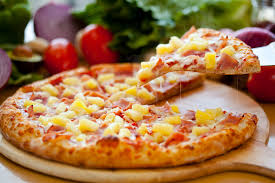
Well my wife has been craving pineapple and ham pizza. I know you haters are going to hate, however she enjoys it and quite honestly so do I. I mean if you haven’t tried it, you need to,  i mean look at it:
pineapple pizza

So anyway, I set about on creating a pizza she and I could both enjoy. I have attempted various things as a substitute crust, cauliflower crusts, gluten free tortillas, and so far nothing really gave that awesome, comfort giving pop of flavor in the mouth that comes from real, honest to goodness pizza.

celebrating emoji

However, that all changed this week. I found a gluten free and Keto approved (depending on your choice of toppings)

The crust I made used a Fathead dough recipe (which is below). I refrigerated the dough for about 10 minutes before rolling it out. Place Saran Wrap over it to roll it out, I didn’t lol. It wasn’t difficult to get the parts off the rolling pin, but I am sure the plastic wrap would make it go smoother.

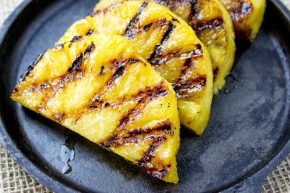
While the crust was in the oven I sliced some fresh pineapple grilled pineappleand put it out on the gas grill. Nothing on the pineapple, and just sprayed the grill.
The pizza sauce was a homemade marinara that I had made previously (I will post recipe late and insert link so check back J)


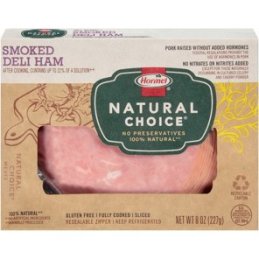
When the 13 minutes was up on the crust I took it out and let it cool a bit while I finished hamthe pineapple.  From there it was simple. I spread the sauce on the crust. I then sliced some ham and placed on the pizza. I used a nitrate free ham sandwich meat ( I used Natural Choice).
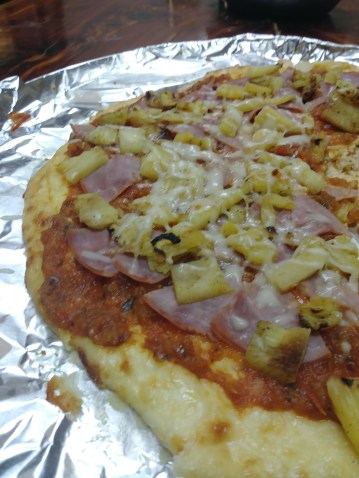
I chopped several slices of the pineapple and covered the ham with it. On top of that I grated mozzarella cheese and placed it back in the oven (be sure to lower temp to 350 from 425 temp used with crust) and waited for the cheese to melt.

It was great! Though the crust tastes amazing, it is a slight different texture than standard bread crust, but it was defiantly pizza.
homemade pizza

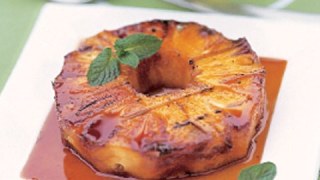
glazed pineappleI actually had leftover pineapple slices so I melted some butter and coconut sugar in a skillet with just a splash of water and glazed the remainder pineapple as a dessert for everyone else.

This was a big hit and will definitely be a repeat at our house. I did however learn a few things. I had covered my pizza pan with aluminum foil because I was afraid the dough might slip through the holes in the pan. This would not have been a problem and since I forgot to spray the aluminum foil, it caused some minor sticking issues. Next time I will not use the foil and will probably use my pampered chef stoneware (my wife reminded me about this after the fact, where was she with the great ideas when I started cooking? LOL). She was quiet pleased to have her pizza fix.

I hope you enjoy. You can obviously substitute any toppings you want on this crust.


Fat Head Dough Recipe

Ingredients:

  • 4 oz. cream cheese
  • 1 ½ cup shredded mozzarella
  • 2 eggs
  • ½ tsp garlic powder (or to taste, I add a bit more because I LOVE garlic)
  • 2/3 cup almond flour
  • ¼ cup parmesan cheese

Instructions:

Preheat oven 425

In a double boiler melt the mozzarella and cream cheese. I do not own a microwave (long story for another time) but you could use a microwave for this step. I would suggest about 15-25 seconds at a time and stir.

Add remaining ingredients to the melted cheese.

Mix it well. This will take a bit of stirring as melted mozzarella is interesting to work with. I would have to unstring it from my spoon, but it worked out without too much effort. Next time I will try the dough attachment on my Ninja mixer.

Grease a pizza pan, or use stone ware. Spread dough out in a circle to about ½ “thickness.

Bake 13-15 minutes or until golden brown.

Pile it up with your favorite toppings. If you have not tried it I suggest pineapple and ham. Jalapenos and bacon are another favorite around here.

Nutrition facts :

Serving size, cut pizza in 8 slices and serving size is two slices… because no one eats just one slice of pizza. But if you do, (yeah right) just divide this by 2.

Calories  302

Fat(g)      26.1

Carbs      5

Fiber       1.4

Protein    15.7

As Julia Child would say,

julia child


Coconut Curry


During college there was a lady in the church who would periodically cook for the pastor’spakistani-chicken family with whom I lived. Usually she would bring over what she called Pakistani Chicken. It was a whole chicken in a pot of vegetables with a very yellow color and smelled amazing. The taste was even better.


For years I never knew what the secret spices were that made this chicken so scrumptious. I very pleased to discover it was curry and have since experimented with this wonderful, and yet often different spice.

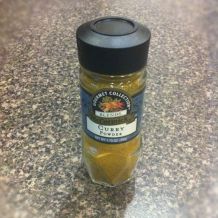
curry-powder

I say different because depending on the color or  type of curry paste you get,Thai vs Indian the flavors vary.The ingredients in a traditional curry also different depending on the region within the same country.  For example:


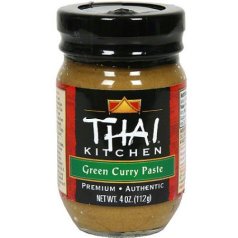
green-curry-pasteGreen curry paste (kreung gaeng keo wahn) is a blend of fresh green chilies and herbs and is used mainly to make Green curry, which  is often considered to be the most popular curry in Thailand


red-curry-paste
Red curry paste
(kreung gaeng phet daeng), with a ruddy hue, is made with dried red chilies and is considered the most versatile.


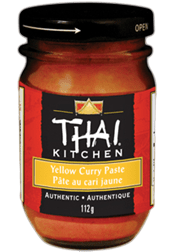
yellow-curryYellow curry (gaeng leung or gaeng karee ) is a Thai version of Indian yellow curry  This richer curry tends to tone down the overall spiciness of the dish, hence its popularity on menus outside of Thailand. cumin, coriander,
turmeric, fenugreek, garlic, salt, bay leaf, lemongrass, cayenne pepper, ginger, mace and cinnamon.

All those are just Thai versions. You also have Indian curry as well as Garam Masala and the list goes on of wonderful spices with which to experiment!!yay


One of my favorite ways to use yellow curry paired with coconut. This has become a family favorite.

The things you will need are:

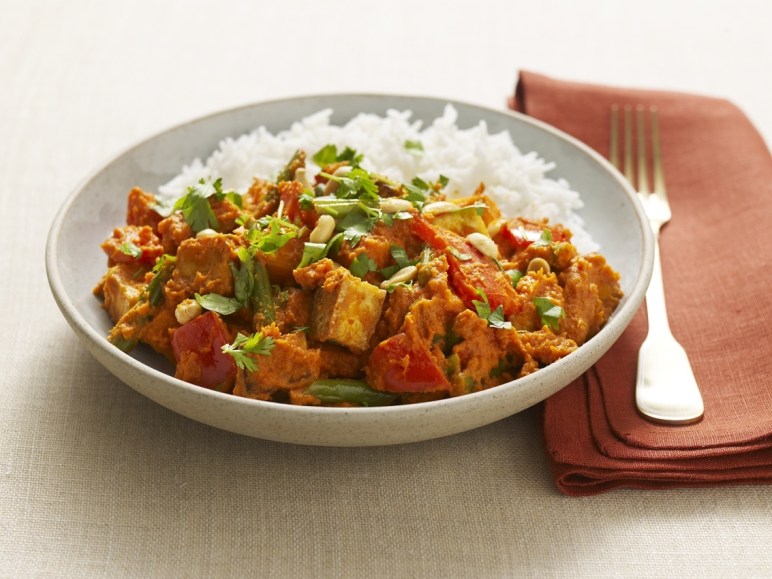
Coconut Curry Chicken

1-1/4 pounds boneless, skinless chicken breasts, cut into 1/4-inch strips

  • Salt and freshly ground black pepper
  • 2-1/2 teaspoons curry powder, divided
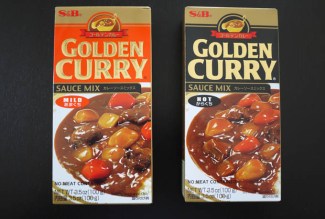
  • 2 Golden Curry cubes (mild or hot your preference)
  • 1 teaspoon turmeric
  • 3 tablespoons olive oil (may substitute red palm oil
  • 1 medium yellow onion, finely chopped
  • 2 tablespoons butter
  • 4 garlic cloves, minced
  • 1 diced stalk of celery
  • 1 tablespoon grated fresh ginger
  • 1 can (14.5 oz) coconut milk
  • 1 can diced tomatoes (I like to use Rotel with chilis to add more spice)
  • 1 tablespoon cornstarch
  • 1 cup frozen peas (no need to thaw)
  • 1/4 cup plain low fat (2%) or whole Greek yogurt (do not use nonfat)


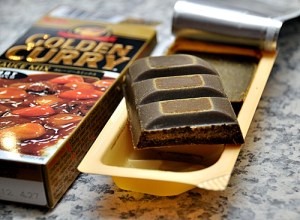
I use both curry powder and curry cubes. The curry cubes I like are made by Golden Curry, it resembles a chocolate bar.

curry-powder-bottle golden-curry golden-curry-cubes-open-package

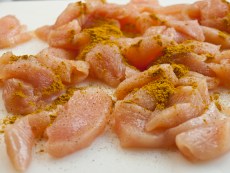
I like to cover  the chicken pieces in the curry powder, turmeric, salt, pepper and ginger. This gives a nice bit of flavoring to the meat so that the meat is not bland with a flavorful sauce.chicken-curry-seasoning-chicken


Heat the olive oil in a non-stick skillet over medium heat, browning the chicken. Set the chicken to the side and add butter to the pan used with the chicken and sauté the onions, garlic, and celery.

chicken-curry-chicken-almost-cooked

When the vegetables are translucent, add the coconut milk and Greek yogurt, stirring regularly.

Pour the can of diced tomatoes into the mixture.  Next mix the cornstarch with a small amount of warm water to avoid clumps and pour this into the sauce. Return chicken to the sauce and simmer until desired consistency.

You can garnish with coriander, curry leaves, or even cilantro works.

Serve over rice or noodles and dig in!

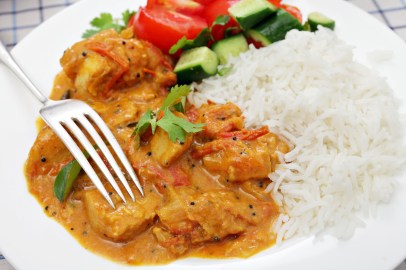
A Kerala or South Indian chicken curry, which includes tomatoes and coconut milk garnished with coreander and curry leaves and served with salad and rice

Red Beans & Rice

Beans and Rice. So simple and yet so many different variations can be created with those two ingredients. Some may look upon them as poor man’s food, but their versatility make them staples in my book. Using them separately to accompany so many different dishes, and of course using them together to create culinary masterpieces. Beans and rice were meant to go together just like Peanut butter and Jelly were joined by destiny. Though there is different opinions regarding this,beans and rice have long been praised for combining together to make a complete protein (links with more info on this debate are at the bottom). Whether this is true or just a myth originally born out by a misunderstanding of amino acids at the time, I do know they combine together to create a complete, and delicious, meal.

With so many types of beans and rice, the combinations are almost endless, black beans and rice, pinto beans and rice, refried beans and rice, but my favorite will always be red beans and rice. I love the way they smell while cooking. The aroma brings back great memories as a child. Heck red beans and rice were even one of my favorite meals served in the cafeteria at my school. So to me, red beans and rice are a real comfort food.


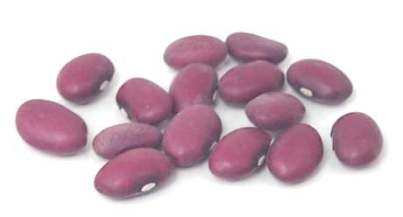
redbeans6Now let’s talk beans. Kidney beans are not red beans. Red beans (also called adzuki) are smaller and rounder (like pinto beans), but red in color. However, the two beans are fairly similar and can generally be used interchangeably in recipes that call for either dried or canned beans. Even so, I prefer red beans because once soaked, they create the creamy and smooth texture I expect in traditional red beans and rice.
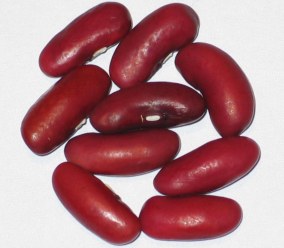
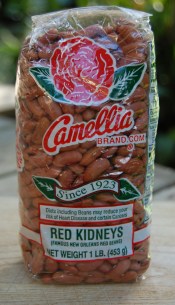
kidney beanKidney beans do not cook to the same creamy consistency as small red beans, they also don’t stand-up to long boiling time. Kidney beans may prove easier to find so if you substitute, the smaller ones work better and Camellia is a great brand that has found it’s way into many a Cajun’s home and pot.Camellia brand


Another important ingredient that needs to be discussed is sausage. Every pot of red beans and rice needs sausage.It is just not right without it. Any good smoked sausage will work, however, if you want true authentic flavor, you need to use Andouille sausage. Yeah that pretty much sums that topic up, great talk.

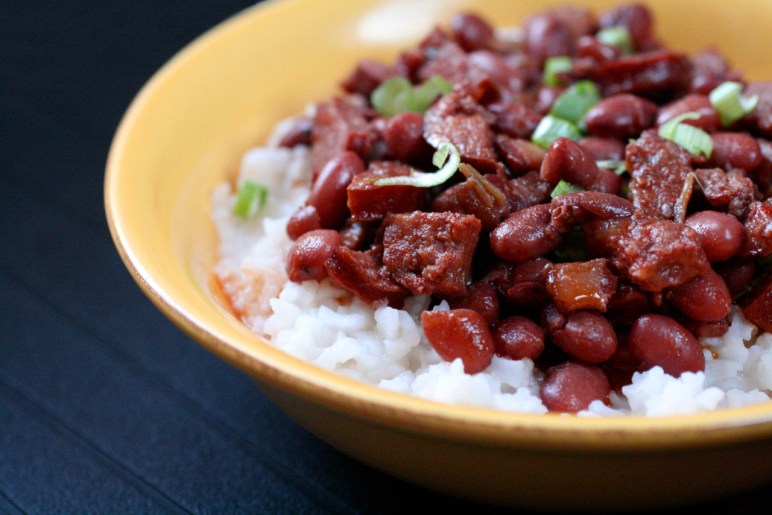
Serving the red beans and rice is as simple as it is to make. Pour the beans over the rice and serve. The rice can be mixed in with the beans, but growing up that meant the beans were leftovers from the night before. There is something about the extra time allowing flavors to marry that make leftover beans and rice even more delightful, however first time serving was always beans over the rice at our house.

redbeans with hot sauceYou need hot sauce on the table so people can add a splash (or more) to the individual bowls. Tabasco will work, I have used it, I also like Texas Pete; but growing up it was always Louisiana Hot Sauce on the table. Some people like to add cider vinegar to their bowl, I was never a fan of this. It is a way to sneak that healthy apple cider vinegar into your life.Justin Wilson

Now pair this bountiful offering with some hot buttered cornbread and you have an award winning dinner!

Ok enough babbling on my part, here is how it is done:

Ingredients:
1 pound dry red beans
1/4 cup olive oil
1 to 2 large onions, chopped
1 green bell pepper, chopped
2 tablespoons minced garlic
2 stalks celery, chopped
6 cups water
2 bay leaves
1/2 teaspoon cayenne pepper (or more if you like it hot)
1 teaspoon dried thyme
1/4 teaspoon dried sage
1 tablespoon dried parsley
1 teaspoon Cajun seasoning
1 pound andouille sausage, sliced
4 cups water
2 cups long grain white rice

Directions:

Rinse beans, and then soak in a large pot of water overnight.
In a skillet, heat oil over medium heat. Cook onion, bell pepper, garlic, and celery in olive oil for 3 to 4 minutes.
Rinse beans, and transfer to a large pot with 6 cups water. Stir cooked vegetables into beans. Season with bay leaves, cayenne pepper, thyme, sage, parsley, and Cajun seasoning. Bring to a boil, and then reduce heat to medium-low. Simmer for 2 1/2 hours.
Brown the sausage then stir sausage and drippings into beans, and continue to simmer for 30 minutes.
Meanwhile, prepare the rice. In a saucepan, bring water and rice to a boil. Reduce heat, cover, and simmer for 20 minutes. Serve beans over steamed white rice.

To save time I have just thrown everything into a slow cooker and let it go. It still comes out tasting great. I do think it works best to go ahead and saute the veggies before adding them to the slow cooker. When I use the slow cooker I just come home and toss rice into the rice maker (a wonderful invention, I believe everyone needs one) and am ready to go. Hope you enjoy!

Some links on the complete protein debate:

http://www.forksoverknives.com/the-myth-of-complementary-protein/
http://www.care2.com/greenliving/rice-and-beans-perfect-protein-or-perfect-myth.html
EmerilAnd a tip of my hat to Emeril Lagasse and his version:
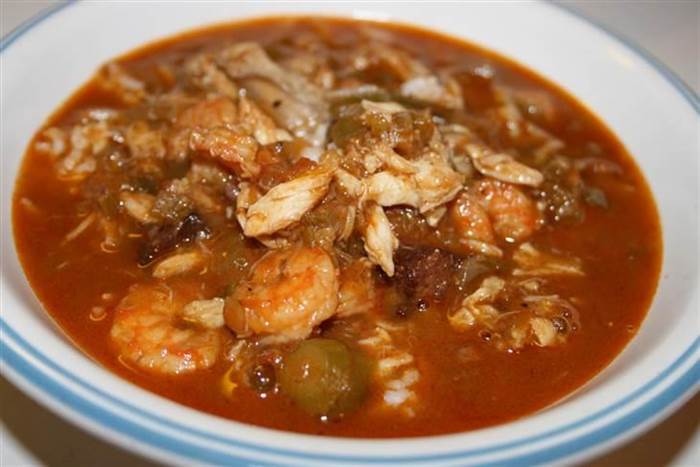
http://www.foodnetwork.com/recipes/emeril-lagasse/red-beans-and-rice-recipe2.html


Cajun or Creole?

Growing up in Biloxi, Mississippi offered many enjoyable opportunities as a child, the cuisine I enjoyed as a child was among the highlights. Being lavished with Cajun and Creole offerings on the table and saturated with other delectable offerings of fine Southern homestyle cooking, it is no wonder I developed a love of cooking and food in general. It helped that my dad and great uncle (who lived just around the corner) were excellent cooks in their own right. My life experiences that included traveling In France, England, moving to the great state of Texas, as well as spending two entire summers living in Queretaro, Mexico, added to my culinary intelligence. Nevertheless my heart still belongs and will ever hold Cajun and Creole cooking as my favorite.

creole gumbo

As I have lived and watched life around me, especially regarding food trends and tastes, it seems the word Cajun and Creole have become synonyms in the way they are used, especially when describing food. A restaurant will add a new menu item and label it “Cajun”. Unfortunately this usually just means they tossed a bunch of Cayenne pepper or other type of sauce to make it spicy and voila it is a Cajun dish.That is not the case, nor does “blackened” mean burnt (Think very high heat and meat covered in a spice mixture).Therefore I feel the obligation to post regarding this topic and set the record straight (as many others have done) regarding these two different styles of cooking.

Let’s start with a brief history lesson.

Cajuns were French Acadians expelled for their Catholic beliefs in the 1700s from what is now Nova Scotia. Many settled in Acadiana, 22 parishes (counties) in southwest Louisiana. Surrounded by swamps, bayous and prairies, the Cajuns were isolated and lived off the land. The word Cajun derived from shortening the word Acadian very similar to how Indians were once called “Injuns” . The culture remains vividly alive and intense. This is evident in their language (a unique dialect of French), music and of course in the rustic, hearty cuisine.

In contrast, Creoles, were city folk that originally hailed from Europe and then settled in New Orleans. Predominantly Spanish and French, Creoles descended from wealthy families. The brought their own chefs from Madrid, Paris, and other European capitals. These chefs adapted classic cooking techniques to incorporate unfamiliar ingredients like mirliton, crawfish, pompano, snapper, and others. The African slaves who served in these homes added their own flavor as well as the influence of Choctaw Indians and immigrants from Ireland and Germany. All of these thrown together create a true melting pot of flavors, especially in Gumbo.

cajun_invasion

To be fair it is understandable how there can be some confusion regarding Cajun and Creole, because they can deal with the same dishes. The ingredients used will determine if a Gumbo is Creole or Cajun. That being said there are always going to be some crossovers and similarities regardless of the style and of course the individual preference and personal touch of whomever is creating the dish.

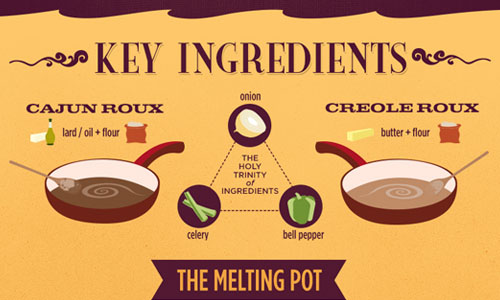
That being said, certain ingredients are a must, namely the trinity. If you are familiar with cooking then you know what a mirepoix is. A roughly chopped vegetable mixture, usually consisting of onions, carrots, and celery a 2:1:1 ratio respectively. The trinity refers to the Cajun and Creole version consisting of onions,celery, and green bell pepper in a 3:2:1 ration. Around my house garlic was always added to this therefore making the base of many different dishes and roux.


Cajun Gumbo  Cajun Seafood Gumbo


Let’s look at the differences that make the distinction between the two styles. The reason For the earlier history lesson was not just extraneous information but showing the background as well as pointing out what brings us to the true Gumbo test regarding Cajun vs Creole. Access to ingredients. The true simple, in a nut shell answer is that Cajun vs Creole is really City food vs. rural. So money and access determined what was used, even when cooked in similar fashion.

An excellent article by food and travel writer Beth d’Addono summed it up nicely with a Quote from executive chef Mark Falgoust:

“Cajun folks used one chicken to feed three families, Creoles used three chickens to feed one family,” said chef Mark Falgoust, executive chef at Grand Isle restaurant across from the Convention Center and Harrah’s Casino. Although a native New Orleanian, Falgoust’s family roots are in Bayou Pigeon and Pierre Part and he’s Cajun through and through.  “Our people held onto our culture. We had big families, hunted and fished, and didn’t use fancy ingredients or dairy in our food. To me, Cajun isn’t a bloodline, it’s a state of mind.” A Cajun gumbo typically is made with a darker oil-based roux and homemade sausage and chicken as well as seafood. “People think Cajun food is all spicy, but that’s not true at all,” said Falgoust. “Creole cooking is more refined all around.  Creole gumbo uses butter in the roux, tomatoes and usually just seafood, no meat.”

( the entire article can be found at http://www.10best.com/interests/foodie/cajun-vs-creole-cuisine/)


There it is. The way I was taught growing up, is the same difference the professionals state. The richer butter and tomato based dishes are Creole, with the Creole Gumbo being more like a soup. The darker oil based roux and just about any meat you can catch, is Cajun with the Cajun gumbo being thicker and more like a stew. This is just depends on the type of thickening agent used and if File seasoning was added or not.

cajuncreole

The main seasonings used in the various dishes are also similar with some exceptions such as Creole usually adds oregano. This, coupled with too much salt, is the reason there is not much flavor difference between the Cajun seasonings and the Creole seasonings you buy in the store. You would be better served making your own, which also allows you to add your own personal touches. A Recipe for making your own is below.

Now you are among the elite who know the basic difference between Cajun and Creole and that highly seasoned does not just mean spicy. Go out and explore these culinary delights and experiment with the two styles. But please remember, if it doesn’t have okra, it is not Gumbo.

For more information regarding Cajun vs Creole check out:

http://www.louisianatravel.com/articles/cajun-vs-creole-food-what-difference

http://www.huffingtonpost.com/Menuism/cajun-vs-creole_b_1447822.html


Making your own Cajun seasoning is easy, and turns out better than store bought mixes:

Makes about 1/2 cup

INGREDIENTS

Kosher or sea salt — 2 tablespoons
Paprika — 2 tablespoons
Thyme — 1 tablespoon
Basil — 1 tablespoon
Garlic powder — 2 teaspoons
Onion powder — 2 teaspoons
Black pepper — 2 teaspoons
White pepper — 2 teaspoons
Cayenne pepper — 1 teaspoon

Just mix all the ingredients together and store in a cool dry place.
If you want it to be “Creole” then add 1 tablespoon of Oregano to the mix.
If you want it spicer, increase the Cayenne, or add 1 teaspoon of crushed red peppers to the mix.