

Matthew 13: 1-9; 18-23
13 On that day Jesus went out of the house and was sitting by the sea. 2 Such large crowds gathered around Him that He got into a boat and sat down, while the whole crowd stood on the shore.
3 Then He told them many things in parables, saying: “Consider the sower who went out to sow. 4 As he was sowing, some seed fell along the path, and the birds came and ate them up. 5 Others fell on rocky ground, where there wasn’t much soil, and they sprang up quickly since the soil wasn’t deep. 6 But when the sun came up they were scorched, and since they had no root, they withered. 7 Others fell among thorns, and the thorns came up and choked them. 8 Still others fell on good ground and produced a crop: some 100, some 60, and some 30 times what was sown. 9 Anyone who has ears should listen!”
“You, then, listen to the parable of the sower: 19 When anyone hears the word about the kingdom and doesn’t understand it, the evil one comes and snatches away what was sown in his heart. This is the one sown along the path. 20 And the one sown on rocky ground—this is one who hears the word and immediately receives it with joy. 21 Yet he has no root in himself, but is short-lived. When pressure or persecution comes because of the word, immediately he stumbles. 22 Now the one sown among the thorns—this is one who hears the word, but the worries of this age and the seduction of wealth choke the word, and it becomes unfruitful.23 But the one sown on the good ground—this is one who hears and understands the word, who does bear fruit and yields: some 100, some 60, some 30 times what was sown.”
This is an excellent example of one of the ways Jesus would teach, with parables. This is a “true Parable” meaning it is told to illustrate only one point and draws from the daily observations of everyday life. In this case it relates to farming, something that would have really been appropriate to the audience he was addressing and can be related to many of us here. I don’t know how many of you are gardeners, I sort of fiddle with it and I have had varied success and failures with gardens over the years.
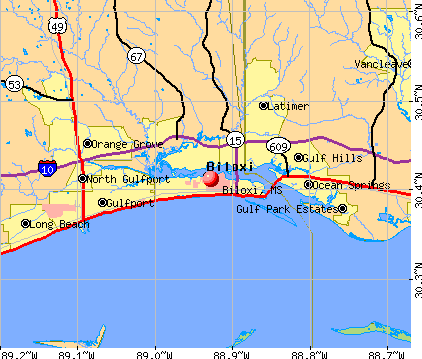
I grew up in Biloxi, Ms. This is a coastal town and I grew up surrounded by water. The Tchoutacabouffa River
was a mile behind my house. Biloxi Bay was 5 miles away and it was just a short way past that and you hit the Gulf of Mexico. Growing up I learned a certain to make gardens. So when I first moved to East Texas and tried a garden, I did it the way I learned. I made my mounds about 6 inches high, busted the top of them, and planted the seed and so forth. Nothing worked out right. The corn only grew to about 2 feet tall and other issues. A friend came by and looked at the garden and asked why I made my mounds that way. I quickly explained you had to do that so that all the rain and standing water after the rain doesn’t wash your seeds away. See Biloxi’s average Annual rainfall is 65 inches a year. July is the wettest month with usually averaging over 7 inches just in July…well needless to say I had not taken into consideration the new climate and difference in the soil. Good gardeners understand for seeds to truly grow, you need the right soil.

This parable is often known as the parable of the sower and the seed, which is really the heart of the message, however I want to look at the soil first. All four types of soil are essentially the same dirt but are in different conditions and respond in different ways to cultivation.
What made one soil more responsive and the other less?
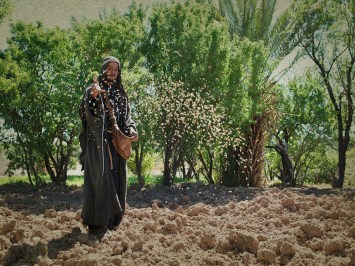
In Biblical times, communities were mainly agriculturally based. The farming methods however were different in those days. They actually sowed the seeds first then plowed them under as opposed to the technical way in which we have of plowing first, making rows and planting each seed to a certain depth depending upon the type of seed.
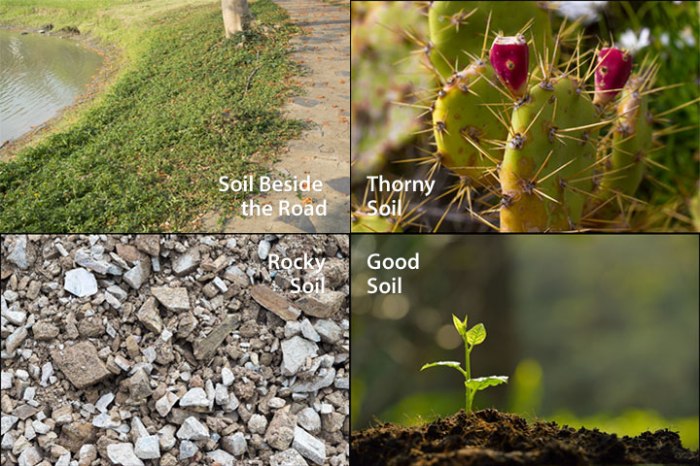
 A family would be appointed a section of land to farm. Each farmer’s plot was adjacent to his neighbor’s. In order to get to the fields, they walked along the boundaries bordering each field to avoid stepping on the growing plants. The “path” was held in common by all the farmers. Over time, the soil on the path would compact. It was never plowed and never fertilized. In the parable, the seed that is sown on the path is not able to penetrate the ground because of the constant use. The condition of the first soil is hard and impermeable.
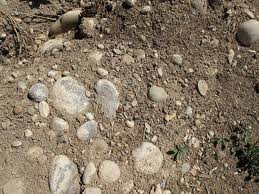
The second type of soil mentioned in the parable is the “rocky” places” or the shallow soil where the plow didn’t cut deeply enough to break up the shale or hard ground just below the surface. This soil produced only plants with weak, shallow roots.
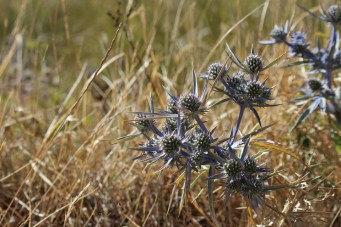
The third type of soil mentioned is the thorny soil, most likely found in the corners of the field where the plow couldn’t reach; here, weeds overtook what was planted.
All the types of soils mentioned here are actually in the same plot of ground with one major difference: Only one area was fully yielded to cultivation, to being changed and prepared for planting. That area was called the good soil.
In the explanation, the soil along the path represents those who never really hear the word with understanding. The Word of God must be understood before it can truly bear fruit. One of the enemy’s chief works is to keep men in darkness regarding their understanding of the word.
The rocky ground soil represents those who receive the word enthusiastically but it is short lived. They do not endure because the word has not been allowed to go deep and make strong roots.
Charles Spurgeon made a good point in stating, “the fault did not lie in the suddenness of their supposed conversion, many sudden conversions have been among the best that have ever happened” So the problem was not the growth but their lack of depth. Without deep roots, they were not able to stand against the storms of life.
The soil that landed among the thorns showed growth, but allowed other things to grow along side and ultimately was choked out for the competition of other things.

The good soil was those who received the word, let it grow roots, and it bore fruit on differing portions, some 100, some 60, and some 30.
This would be a good place to pause and ask, what kind of soil am I? This is actually the title of the sermon, but this is really a bit of a trick question. To be honest none of us are just one type of soil,
Like the path sometimes we allow the Word no room at all in our lives
Like the rocky places, we sometimes have flashes of enthusiasm that quickly burns out
Like the thorny area we sometimes get overwhelmed and bombarded by the other things we allow in our life. The cares of this world and the deceitfulness of riches are allowed to grow and block out the true priority and therefore choke out God’s Word and prevent its fruitfulness in our life.
And then there are times, like the good ground, the Word bears fruit in our lives.
Each of us has all four kinds of soil in our hearts, but despite all the talk about soils, despite the importance of knowing how we allow our hearts to respond, the Parable of the Sower isn’t really about dirt at all. The Parable of the Sower is, as the name implies, really about the Sower.

Remember I said parables illustrate one main point? In this parable, nowhere does Jesus go and say we need to be good soil. In fact Jesus says to consider the sower and then focuses on the return of the harvest in spite of where the seed lands.
As important as it is for us to be aware of what’s going on in the soil, This story is a description of our loving God. God knows it is foolish to spread seed on unworthy soil, but he does it anyway. God spreads his love with reckless abandon in hearts that are at once all four different types of soil. We see this as Jesus throws seed at the disciples who over and over and over again prove that they have hard hearts, stiff necks, and dim minds. Jesus continues to throw seed at them, continues to work with them, and continues to help them see what God is up to in the world around them. He scatters the seed of the Gospel with wild recklessness, and even when it is clear that his disciples just don’t get it, when they turn him over to the authorities, abandon him in his hour of need, and deny even knowing him; Jesus continues to pour out his love on them by inviting them back into the fold after the resurrection. Throughout His earthly ministry Jesus continued to throw the seed, even to the Pharisee’s and though some never changed their heart, there were many who did because he continued to love recklessly.
 God is downright foolish in his love for you and me as well. We who continue in the proud hard hearted, stiff necked and dim minded tradition of the disciples. We who neglect to build the kingdom and instead focus on building ourselves. We who show again and again why we need forgiveness and we forget again and again to give it to others. The good news is: God continues to throw seed at us. He pours out his love upon us relentlessly. And when he finds even the smallest patch of good soil in our hearts, he nurtures the Kingdom within us, producing an abundant harvest: 30, 60, even 100 fold if we will just give him the opportunity. This parable is about God and his wildly extravagant love for us, and that, my friends is more than enough when we allow him to work in whatever kind of soil is in our hearts.
There is a song by Corey Asbury called Reckless Love , You should listen to it and realize its about His love and you. I have included the lyrics: Reckless Love by Cory Asbury

Before I spoke a word, You were singing over me
You have been so, so good to me
Before I took a breath, You breathed Your life in me
You have been so, so kind to me
Oh, the overwhelming, never-ending, reckless love of God
Oh, it chases me down, fights ’til I’m found, leaves the ninety-nine
I couldn’t earn it, and I don’t deserve it, still, You give Yourself away
Oh, the overwhelming, never-ending, reckless love of God, yeah
When I was Your foe, still Your love fought for me
You have been so, so good to me
When I felt no worth, You paid it all for me
You have been so, so kind to me
And oh, the overwhelming, never-ending, reckless love of God
Oh, it chases me down, fights ’til I’m found, leaves the ninety-nine
And I couldn’t earn it, and I don’t deserve it, still, You give Yourself away
Oh, the overwhelming, never-ending, reckless love of God.
There’s no shadow You won’t light up
Mountain You won’t climb up
Coming after me
There’s no wall You won’t kick down
Lie You won’t tear down
Coming after me
Oh, the overwhelming, never-ending, reckless love of God
Oh, it chases me down, fights ’til I’m found, leaves the ninety-nine
And I couldn’t earn it, I don’t deserve it, still, You give Yourself away
Oh, the overwhelming, never-ending, reckless love of God, yeah
My friends how will you respond to the overwhelming, never-ending, reckless love of God in your life this week? Will you let it be trampled and stolen? Will it get choked out? Or will you let it grow and form deep roots in your heart?
 A Rock Between The Eyes