
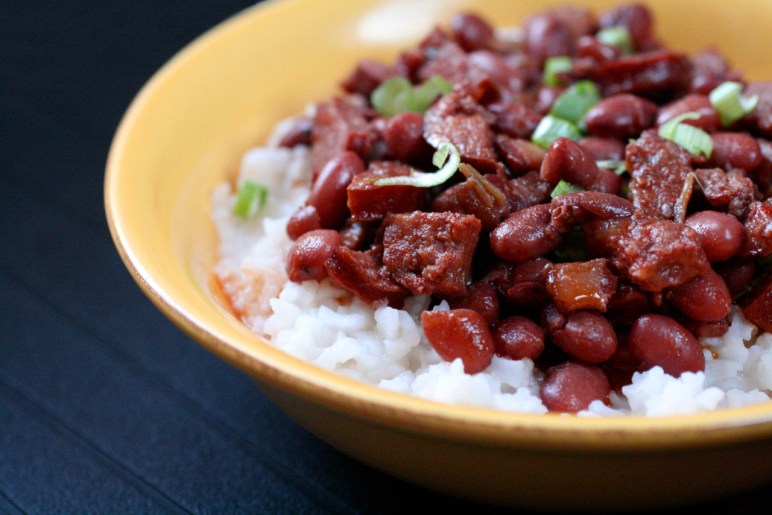
Beans and Rice. So simple and yet so many different variations can be created with those two ingredients. Some may look upon them as poor man’s food, but their versatility make them staples in my book. Using them separately to accompany so many different dishes, and of course using them together to create culinary masterpieces. Beans and rice were meant to go together just like Peanut butter and Jelly were joined by destiny. Though there is different opinions regarding this,beans and rice have long been praised for combining together to make a complete protein (links with more info on this debate are at the bottom). Whether this is true or just a myth originally born out by a misunderstanding of amino acids at the time, I do know they combine together to create a complete, and delicious, meal.
With so many types of beans and rice, the combinations are almost endless, black beans and rice, pinto beans and rice, refried beans and rice, but my favorite will always be red beans and rice. I love the way they smell while cooking. The aroma brings back great memories as a child. Heck red beans and rice were even one of my favorite meals served in the cafeteria at my school. So to me, red beans and rice are a real comfort food.
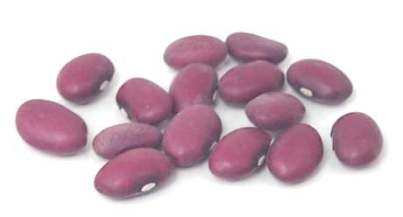 Now let’s talk beans. Kidney beans are not red beans. Red beans (also called adzuki) are smaller and rounder (like pinto beans), but red in color. However, the two beans are fairly similar and can generally be used interchangeably in recipes that call for either dried or canned beans. Even so, I prefer red beans because once soaked, they create the creamy and smooth texture I expect in traditional red beans and rice.
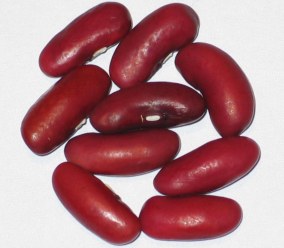 Kidney beans do not cook to the same creamy consistency as small red beans, they also don’t stand-up to long boiling time. Kidney beans may prove easier to find so if you substitute, the smaller ones work better and Camellia is a great brand that has found it’s way into many a Cajun’s home and pot.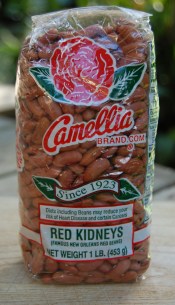
Another important ingredient that needs to be discussed is sausage. Every pot of red beans and rice needs sausage.It is just not right without it. Any good smoked sausage will work, however, if you want true authentic flavor, you need to use Andouille sausage. Yeah that pretty much sums that topic up, great talk.
Serving the red beans and rice is as simple as it is to make. Pour the beans over the rice and serve. The rice can be mixed in with the beans, but growing up that meant the beans were leftovers from the night before. There is something about the extra time allowing flavors to marry that make leftover beans and rice even more delightful, however first time serving was always beans over the rice at our house.
 You need hot sauce on the table so people can add a splash (or more) to the individual bowls. Tabasco will work, I have used it, I also like Texas Pete; but growing up it was always Louisiana Hot Sauce on the table. Some people like to add cider vinegar to their bowl, I was never a fan of this. It is a way to sneak that healthy apple cider vinegar into your life.
Now pair this bountiful offering with some hot buttered cornbread and you have an award winning dinner!
Ok enough babbling on my part, here is how it is done:
Ingredients:
1 pound dry red beans
1/4 cup olive oil
1 to 2 large onions, chopped
1 green bell pepper, chopped
2 tablespoons minced garlic
2 stalks celery, chopped
6 cups water
2 bay leaves
1/2 teaspoon cayenne pepper (or more if you like it hot)
1 teaspoon dried thyme
1/4 teaspoon dried sage
1 tablespoon dried parsley
1 teaspoon Cajun seasoning
1 pound andouille sausage, sliced
4 cups water
2 cups long grain white rice
Directions:
Rinse beans, and then soak in a large pot of water overnight.
In a skillet, heat oil over medium heat. Cook onion, bell pepper, garlic, and celery in olive oil for 3 to 4 minutes.
Rinse beans, and transfer to a large pot with 6 cups water. Stir cooked vegetables into beans. Season with bay leaves, cayenne pepper, thyme, sage, parsley, and Cajun seasoning. Bring to a boil, and then reduce heat to medium-low. Simmer for 2 1/2 hours.
Brown the sausage then stir sausage and drippings into beans, and continue to simmer for 30 minutes.
Meanwhile, prepare the rice. In a saucepan, bring water and rice to a boil. Reduce heat, cover, and simmer for 20 minutes. Serve beans over steamed white rice.
To save time I have just thrown everything into a slow cooker and let it go. It still comes out tasting great. I do think it works best to go ahead and saute the veggies before adding them to the slow cooker. When I use the slow cooker I just come home and toss rice into the rice maker (a wonderful invention, I believe everyone needs one) and am ready to go. Hope you enjoy!
Some links on the complete protein debate:
http://www.forksoverknives.com/the-myth-of-complementary-protein/
http://www.care2.com/greenliving/rice-and-beans-perfect-protein-or-perfect-myth.html
 And a tip of my hat to Emeril Lagasse and his version:
http://www.foodnetwork.com/recipes/emeril-lagasse/red-beans-and-rice-recipe2.html

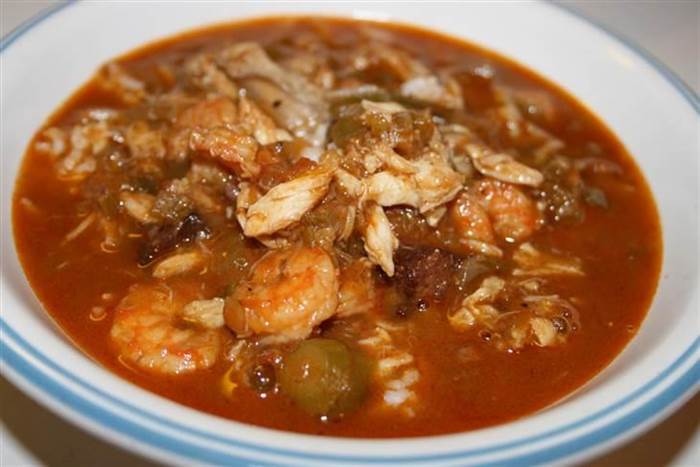

 Cajun Seafood Gumbo
 A Rock Between The Eyes